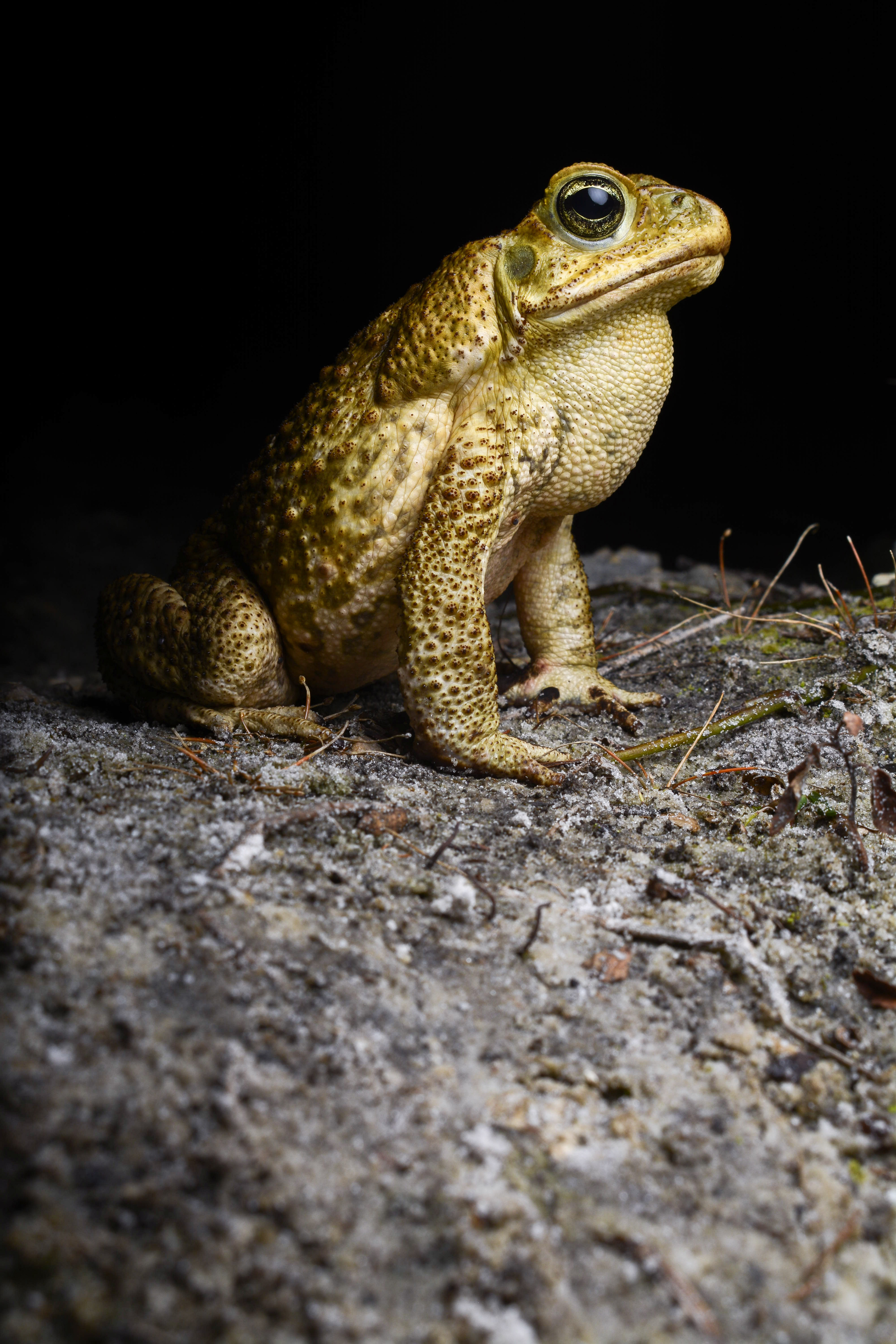
Cane toads (Rhinella marina) are a common invasive in south Florida.
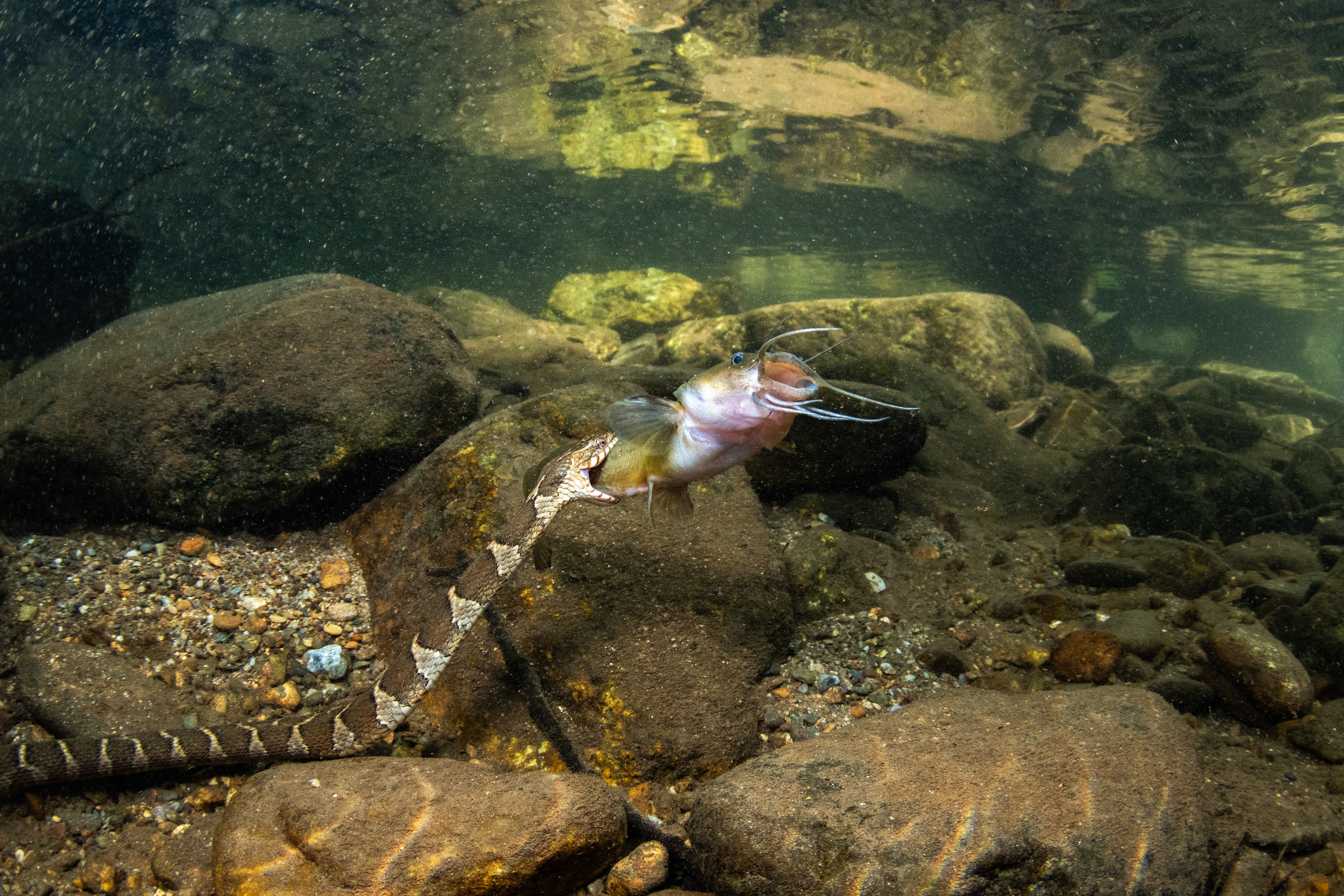
A northern water snake (Nerodia sipideon) with its prize: a margined madtom (Noturus insignis).
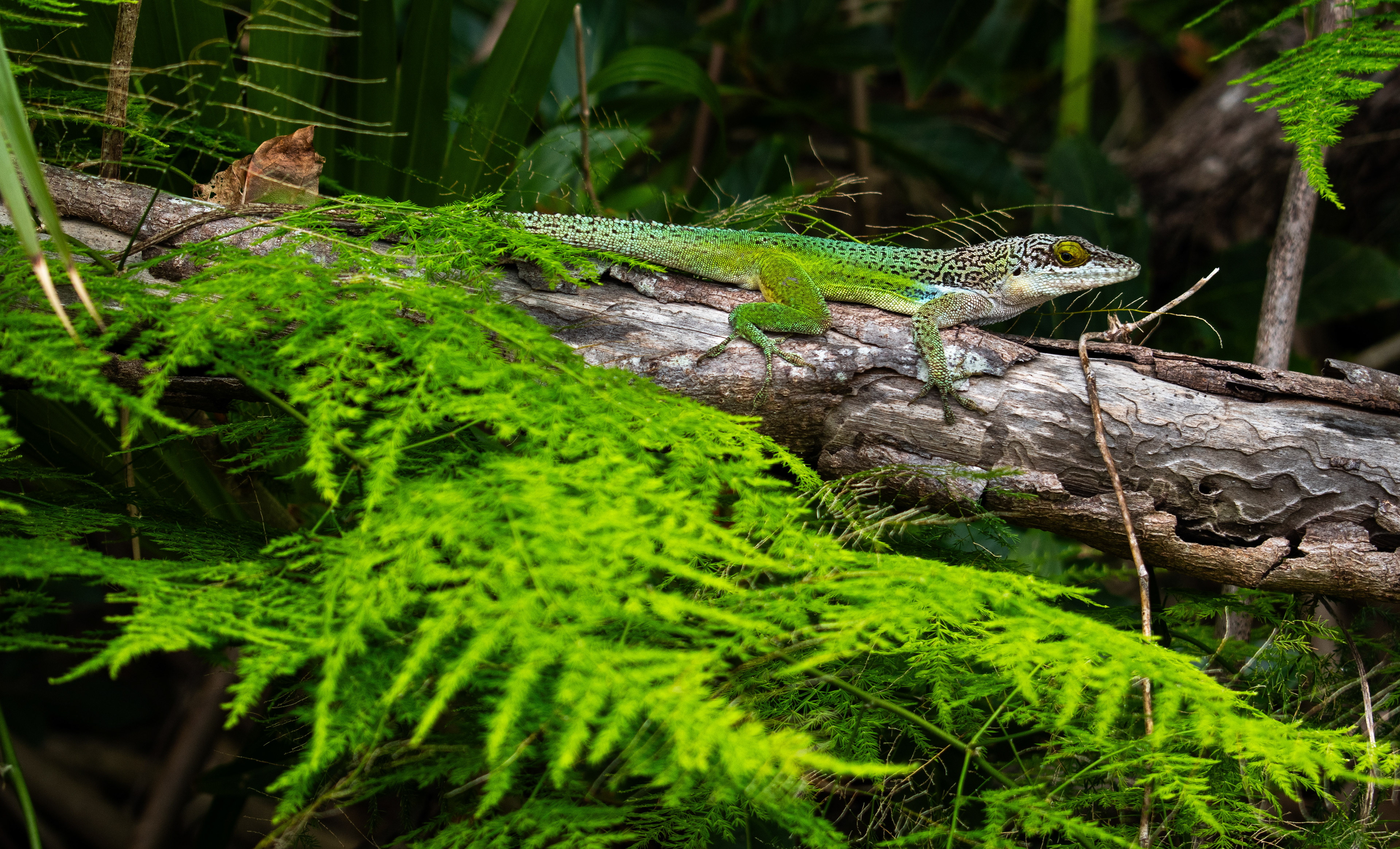
A Leach's anole (Anolis leachii) in Bermuda, where it is a non-native species, having been introduced from Barbuda.
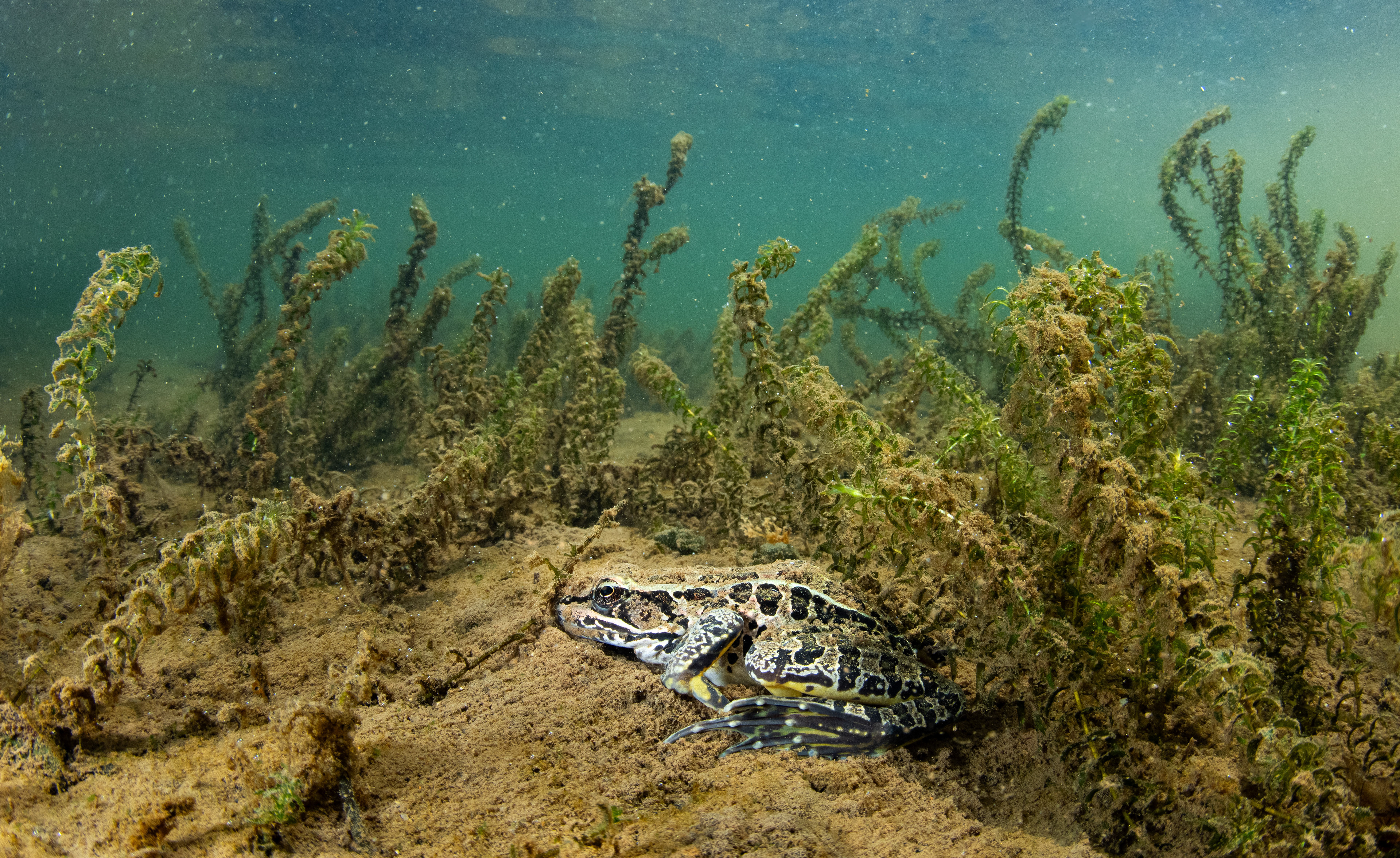
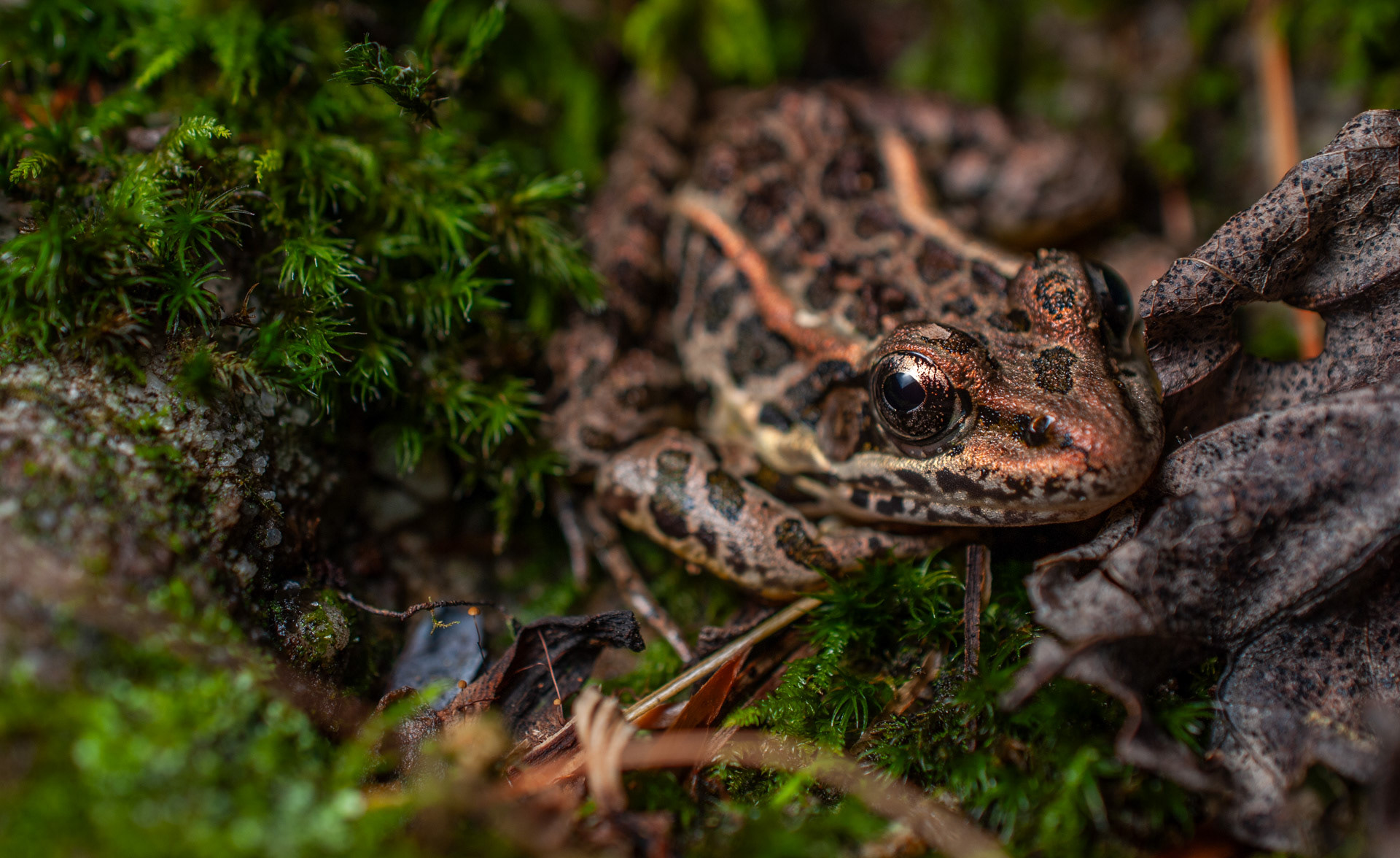
A pickerel frog (Lithobates palustris) takes refuge in a riverweed bed.
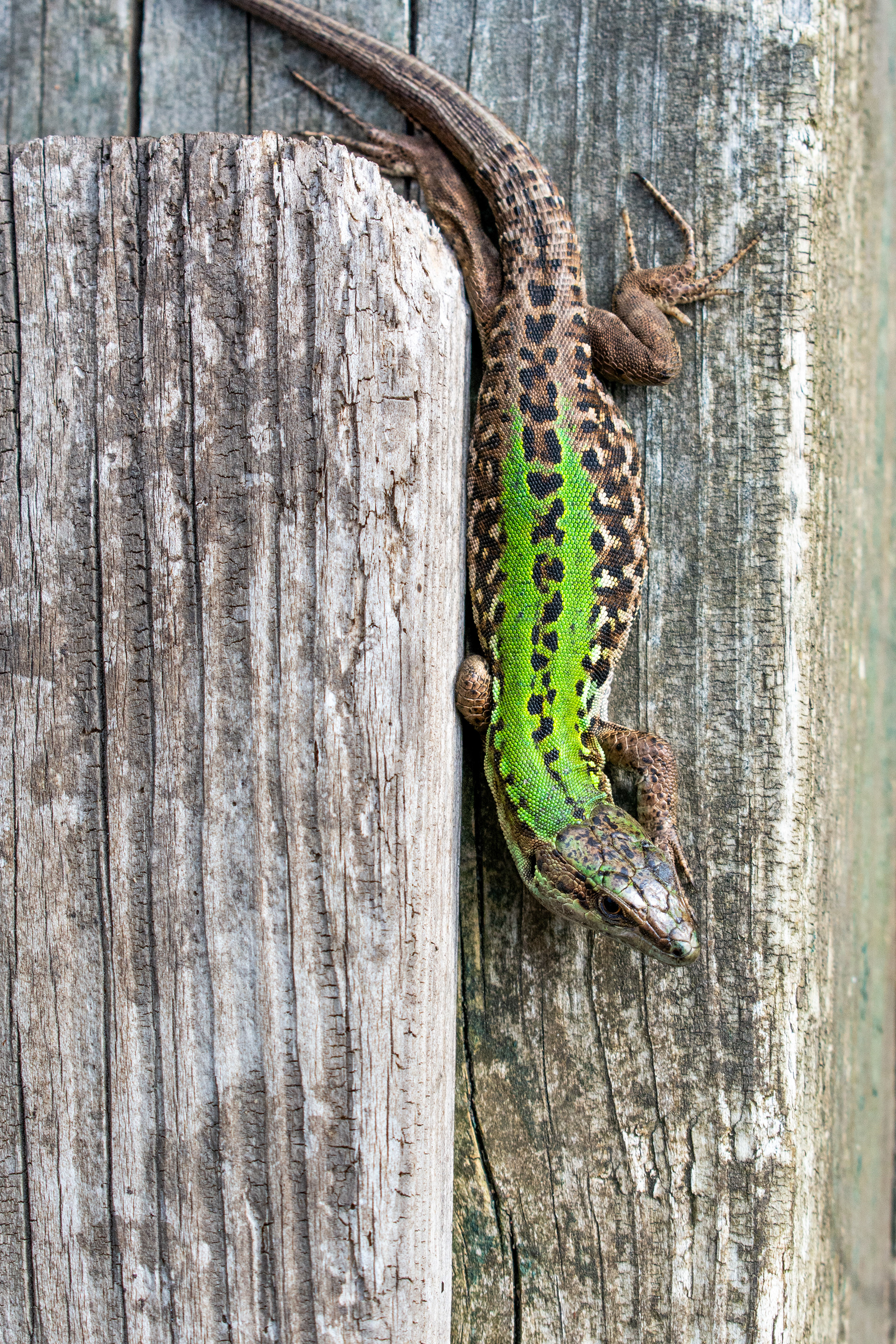
The Italian wall lizard (Podarcis muralis) has been extensively introduced to the American northeast. This one was photographed in a Boston garden.
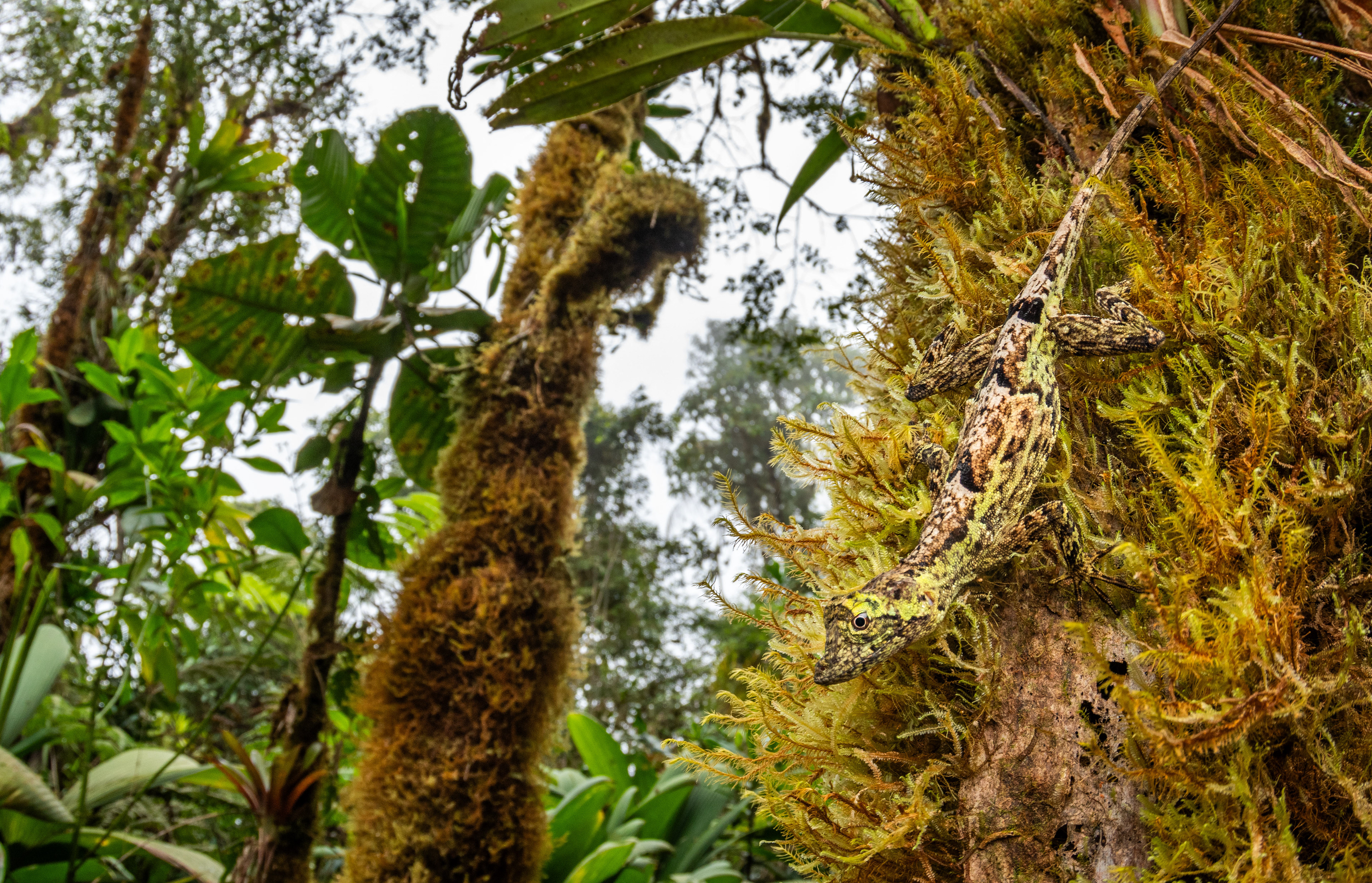
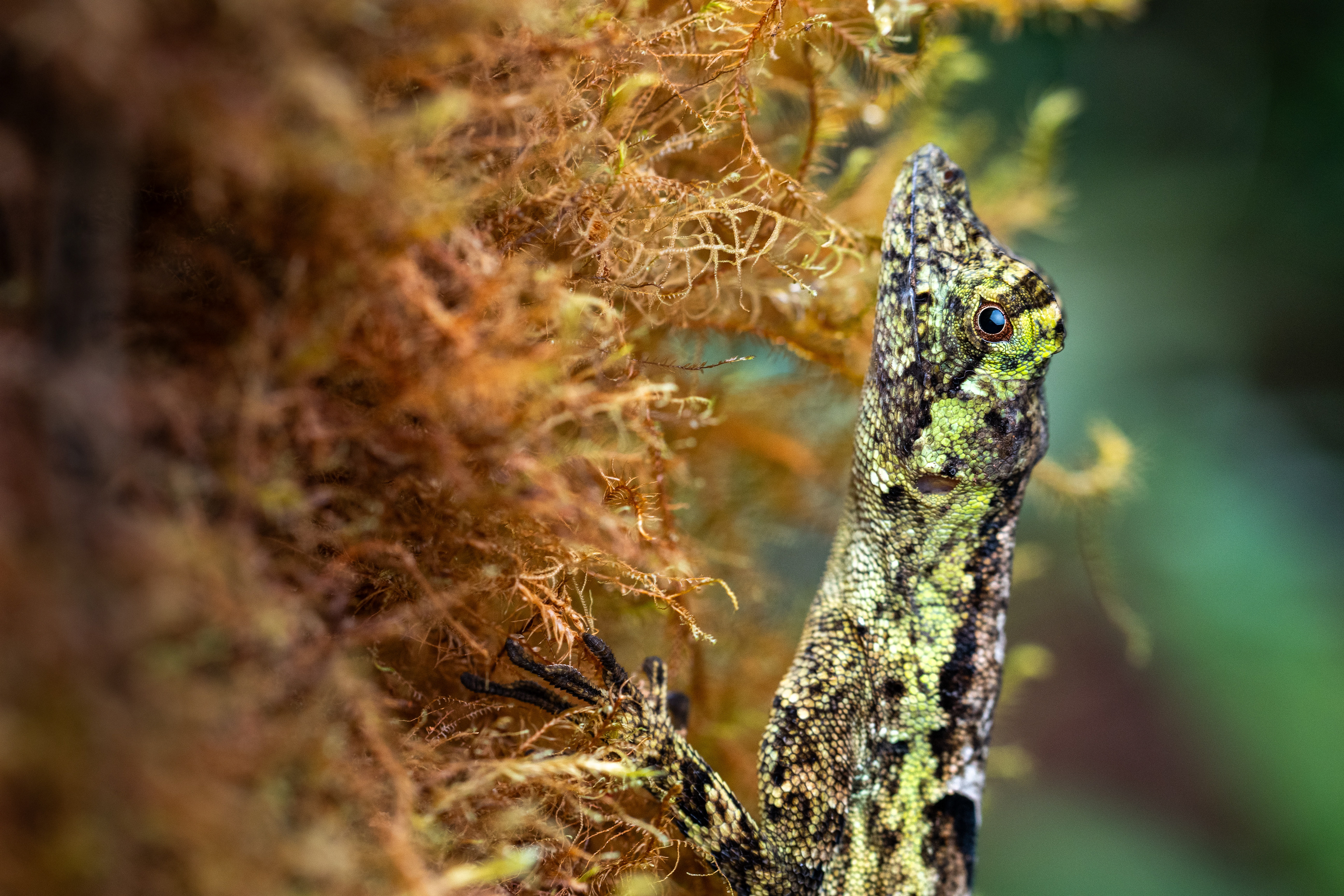
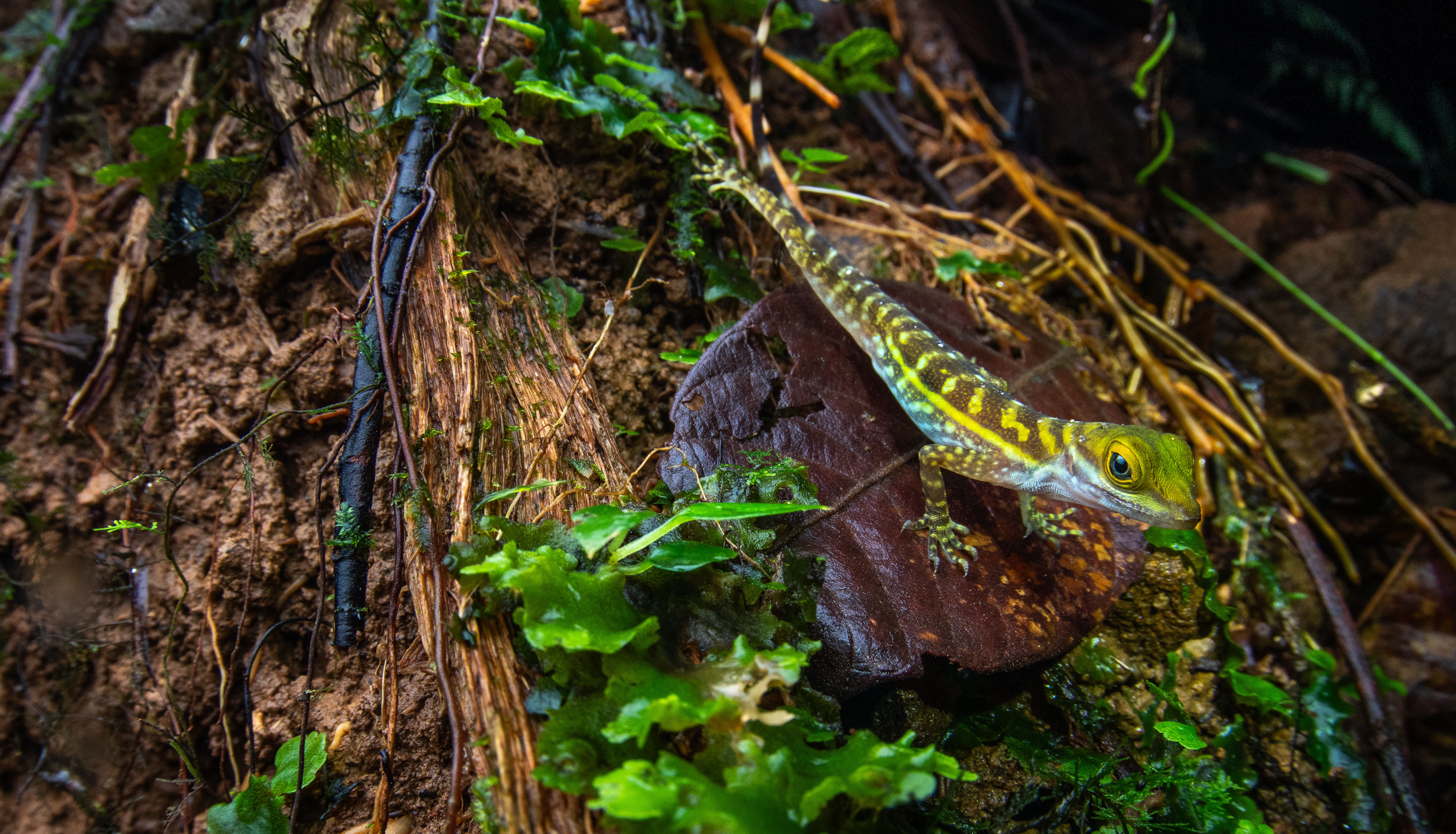
A pug-nosed anole (Anolis capito) relies on its camouflage in a Costa Rican cloud forest reserve.
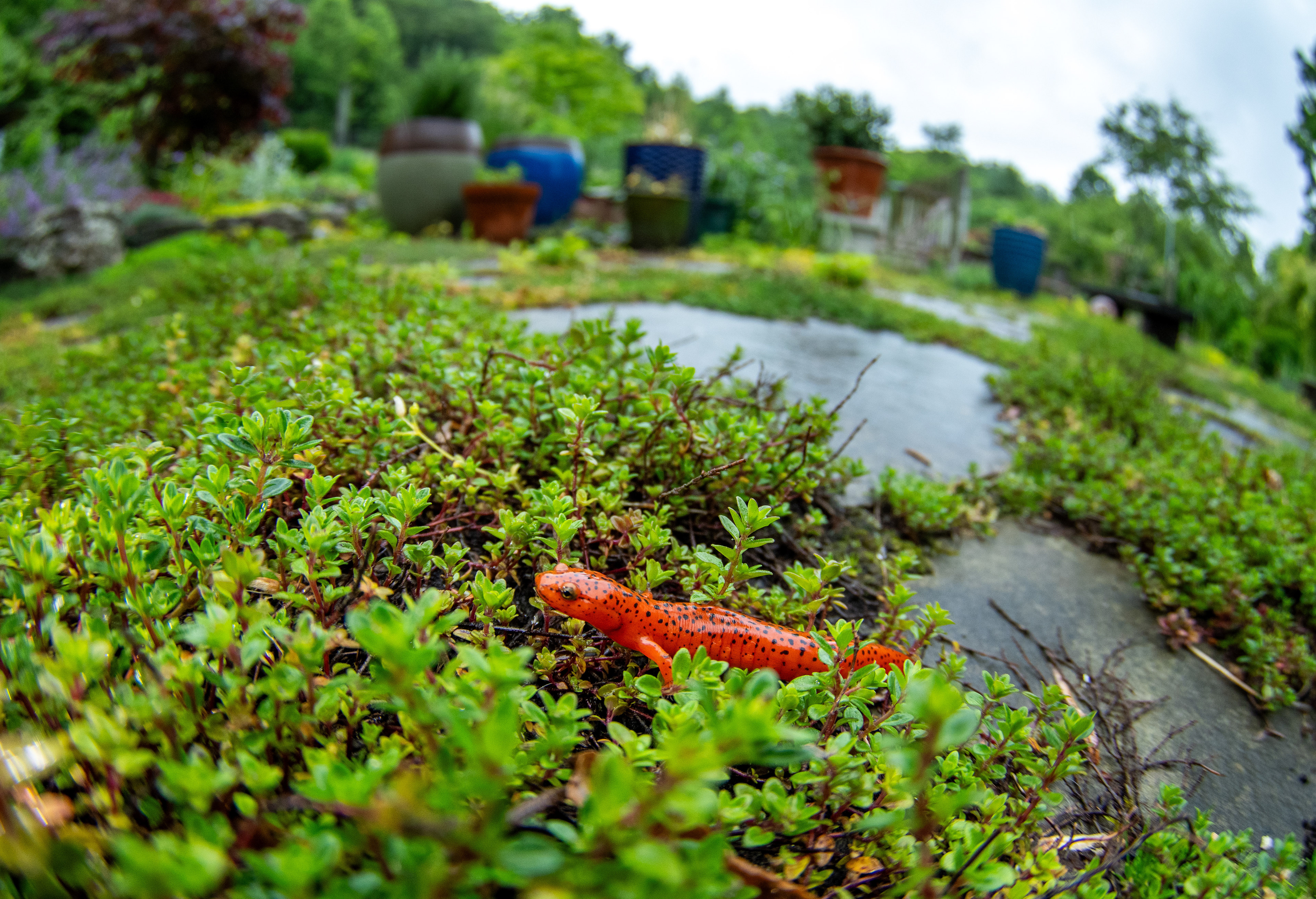
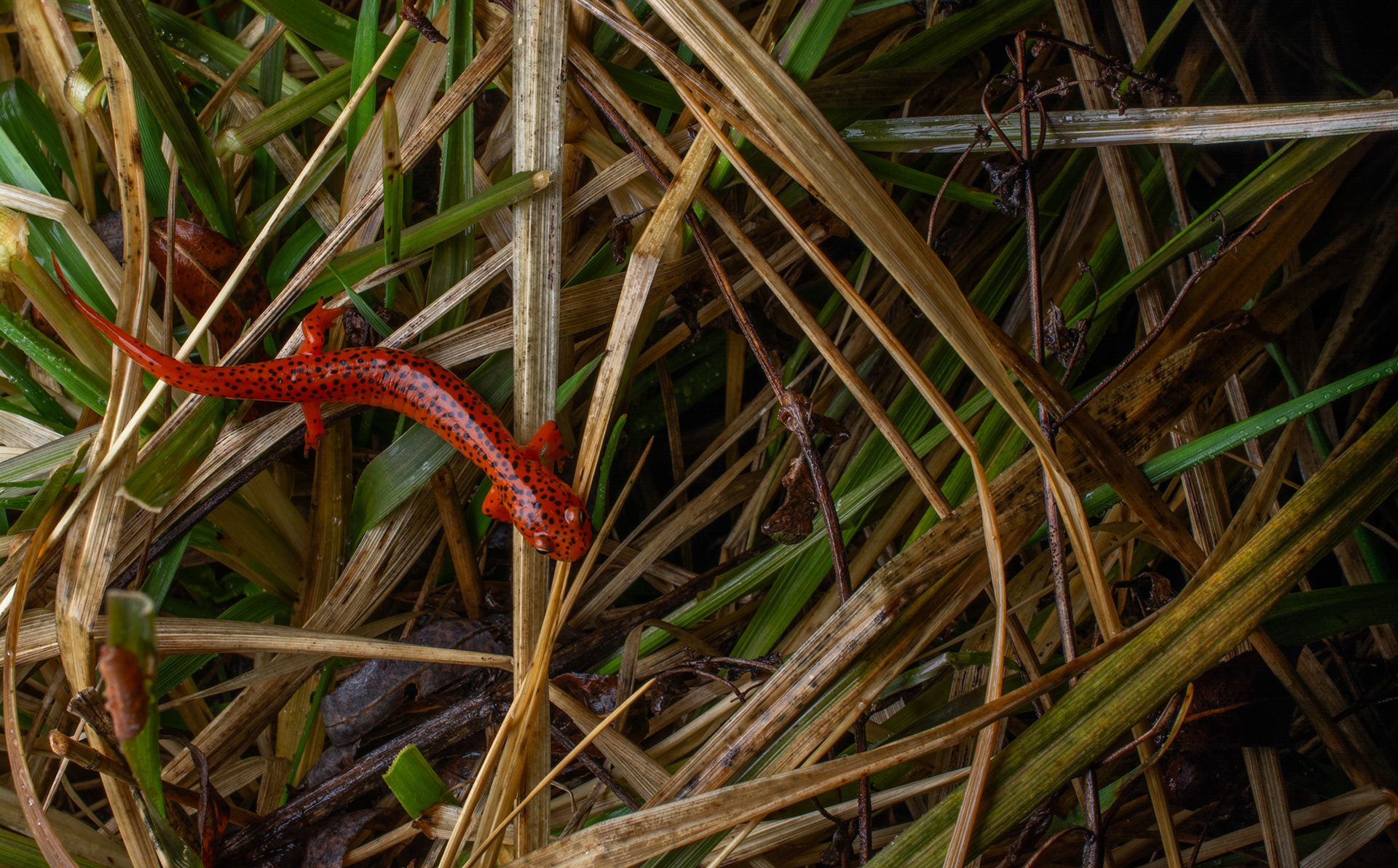
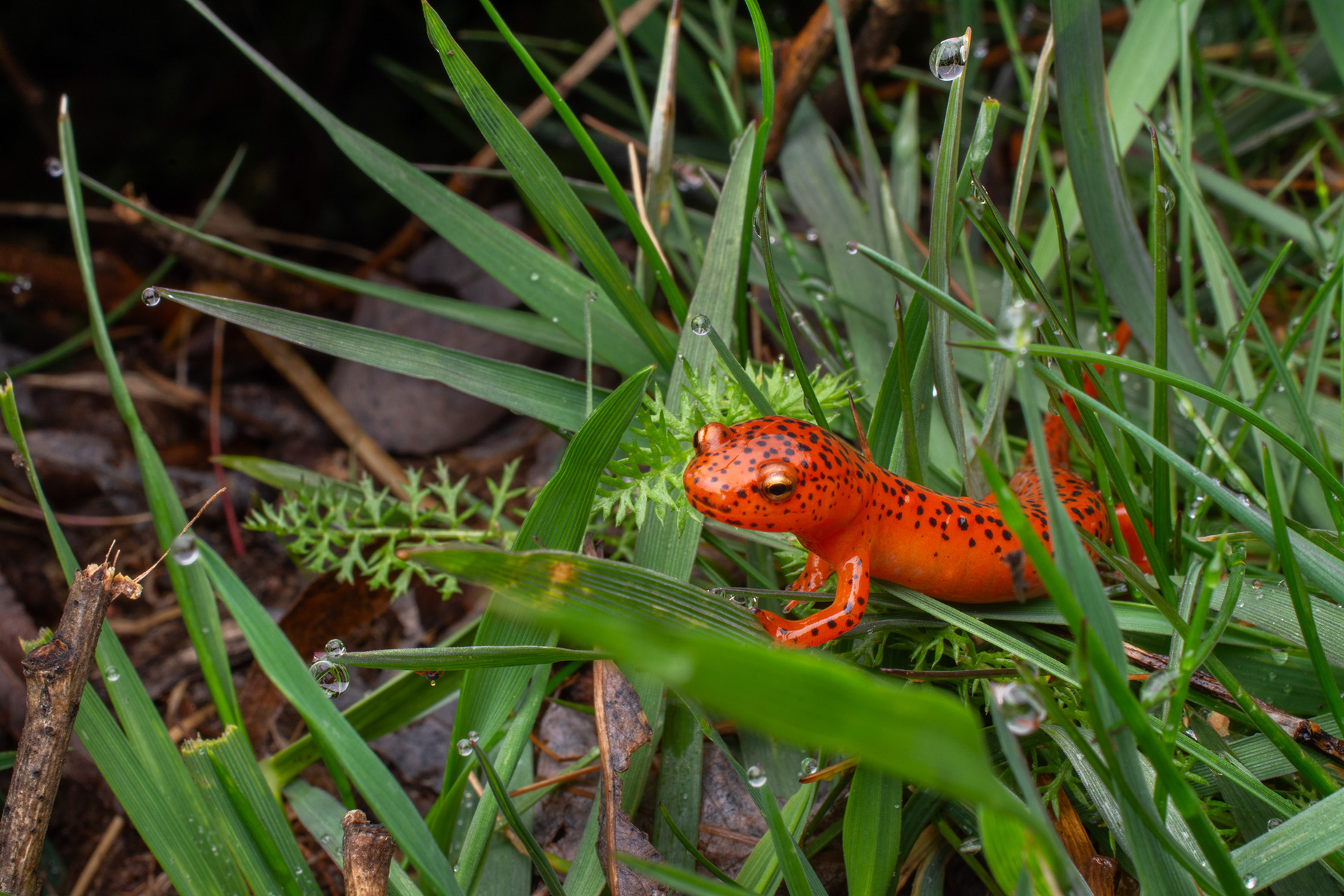
Northern red salamanders (Pseudotriton ruber ruber) are abundant at my home, and often emerge after spring rains.
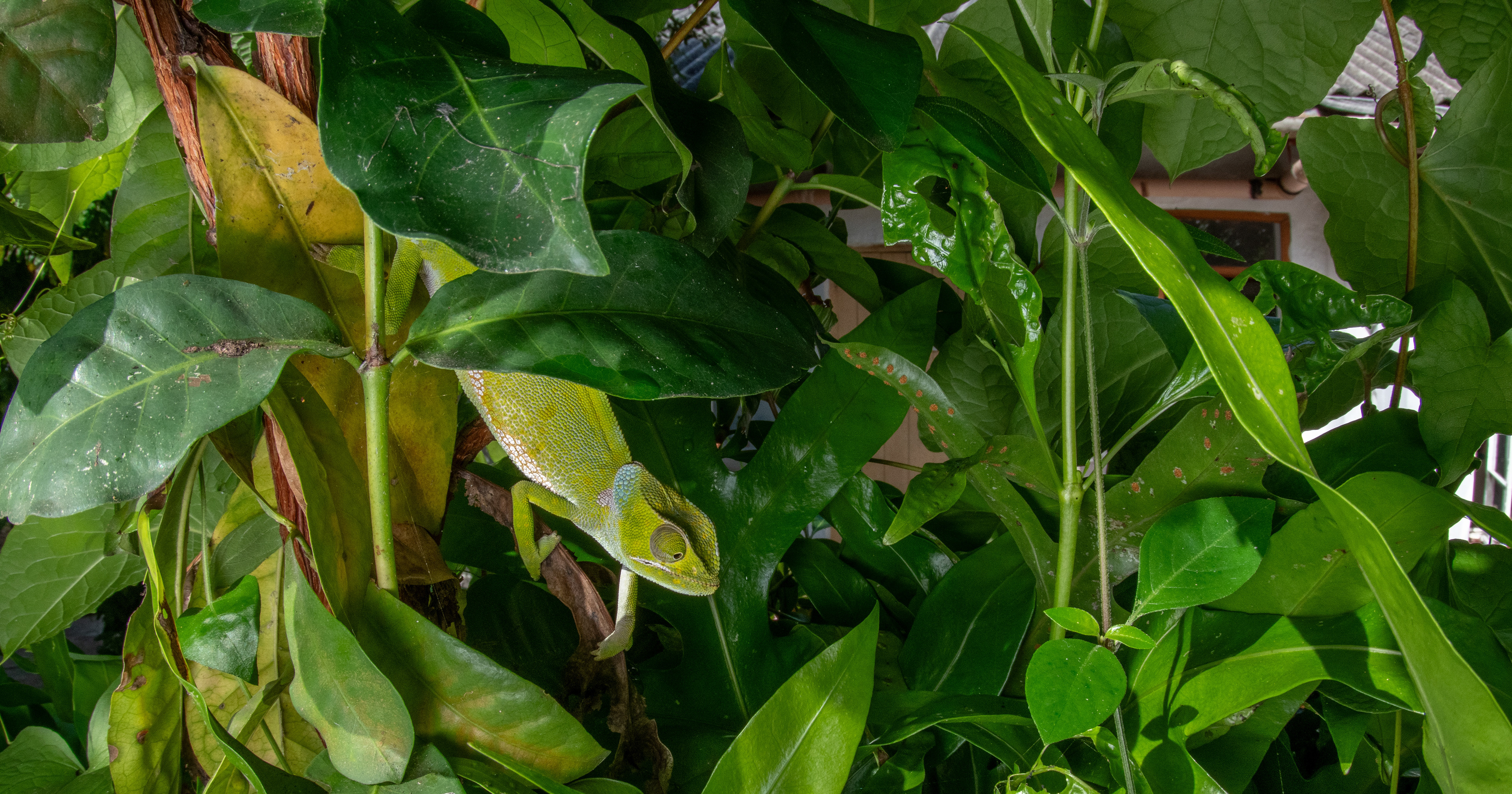
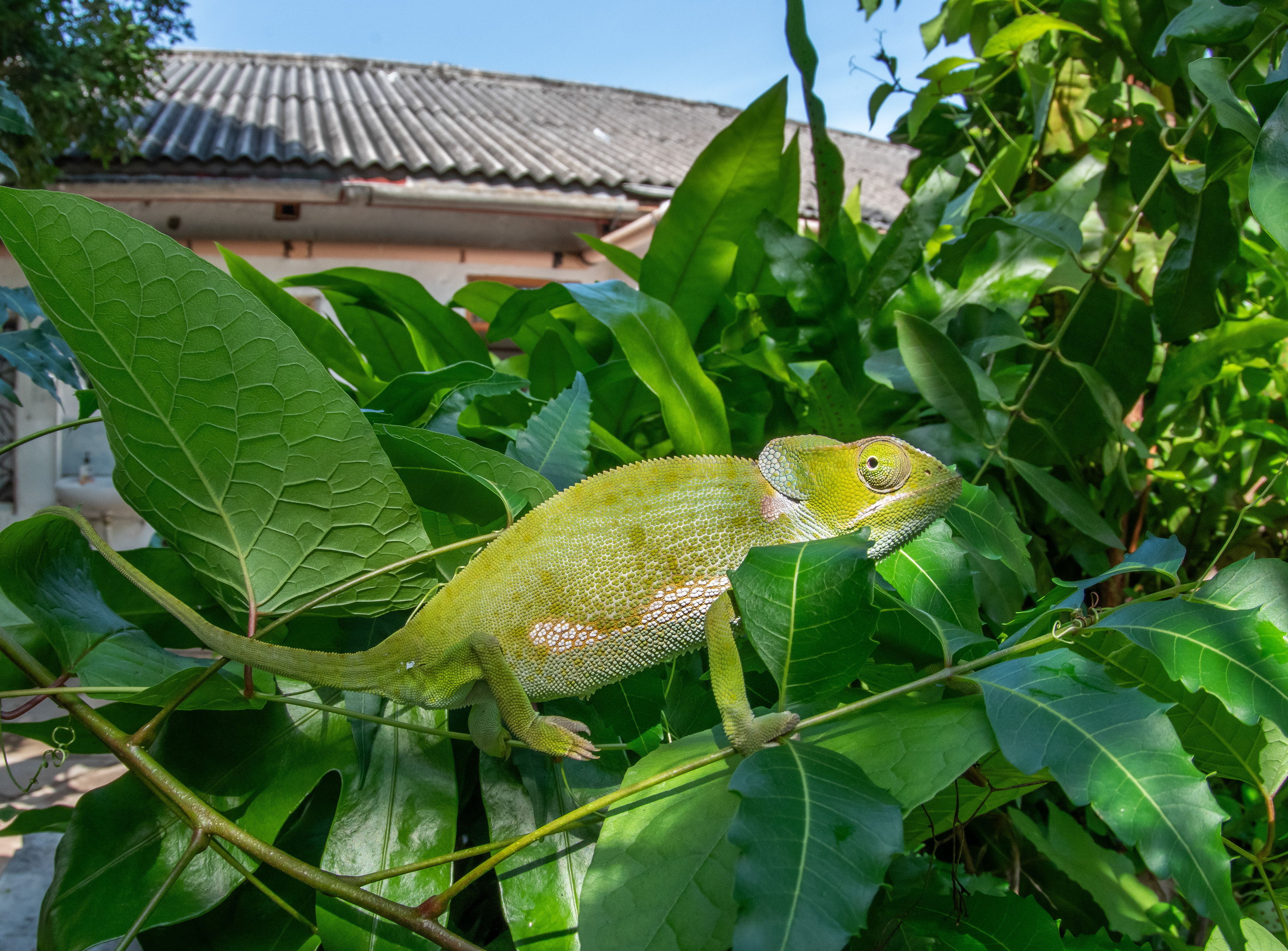
A flap-necked chameleon (Chamaeleo dilepis) hunts roaches in a dense garden bush in coastal Kenya.
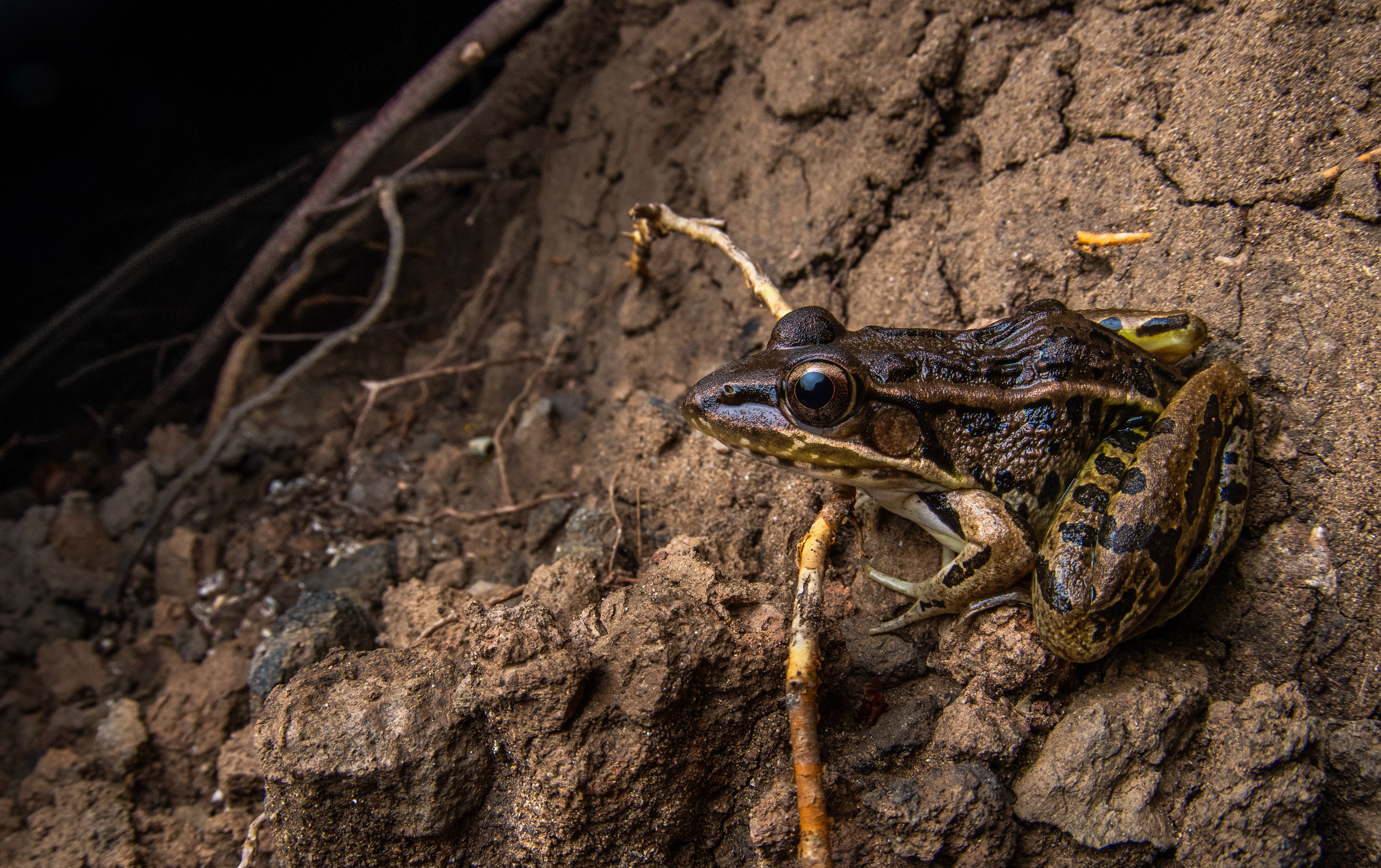
The Forrer's grass frog (Lithobates forreri) is a tropical relative of North American leopard frogs. This one was photographed along a heavily disturbed Costa Rican stream.
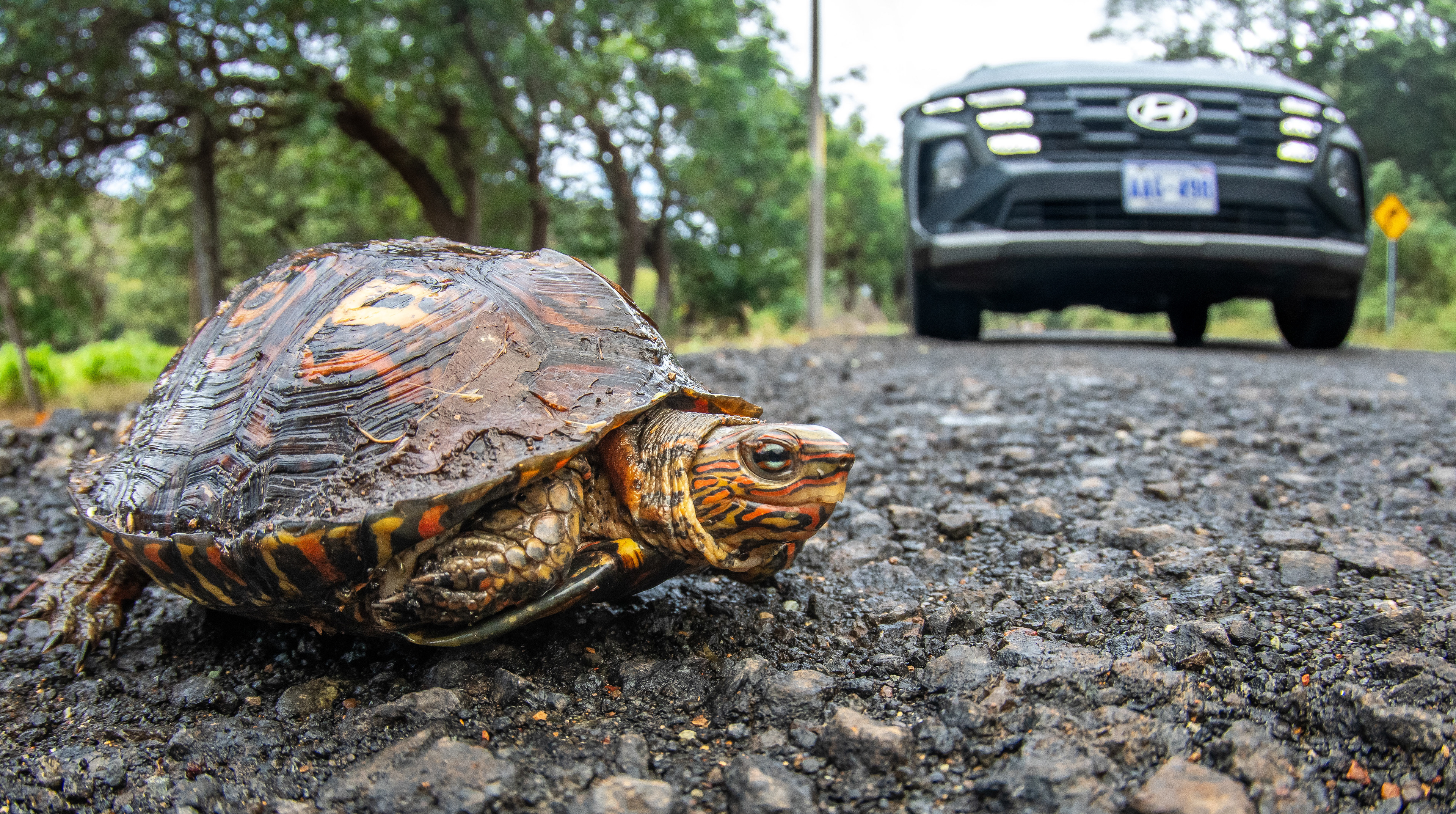
A painted wood turtle (Rhinoclemmys pulcherrima) crosses a rural Costa Rican road.
A pug-nosed anole (Anolis capito) relies on its camouflage in a Costa Rican cloud forest reserve.
A flap-necked chameleon (Chamaeleo dilepis) hunts roaches in a dense garden bush in coastal Kenya.
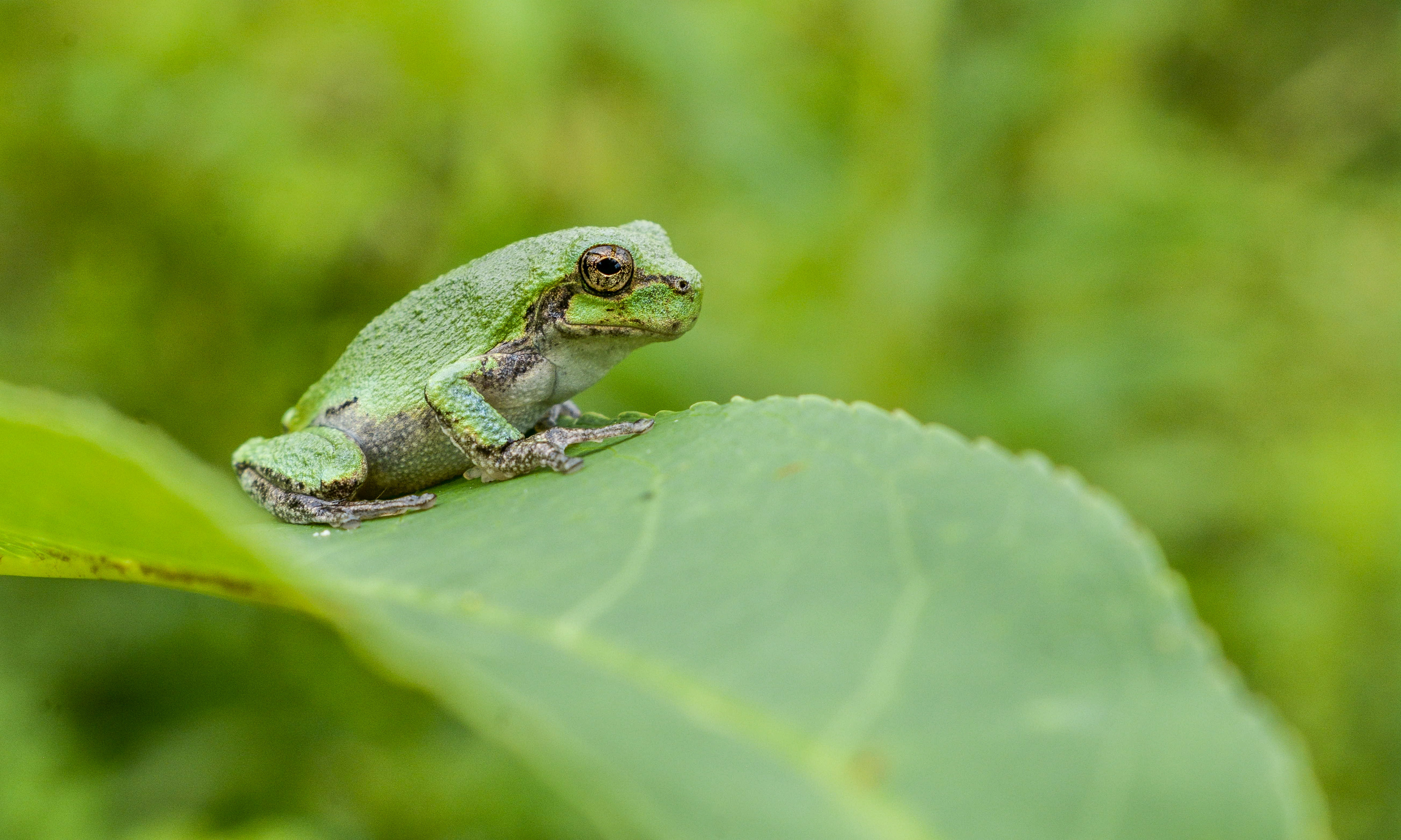
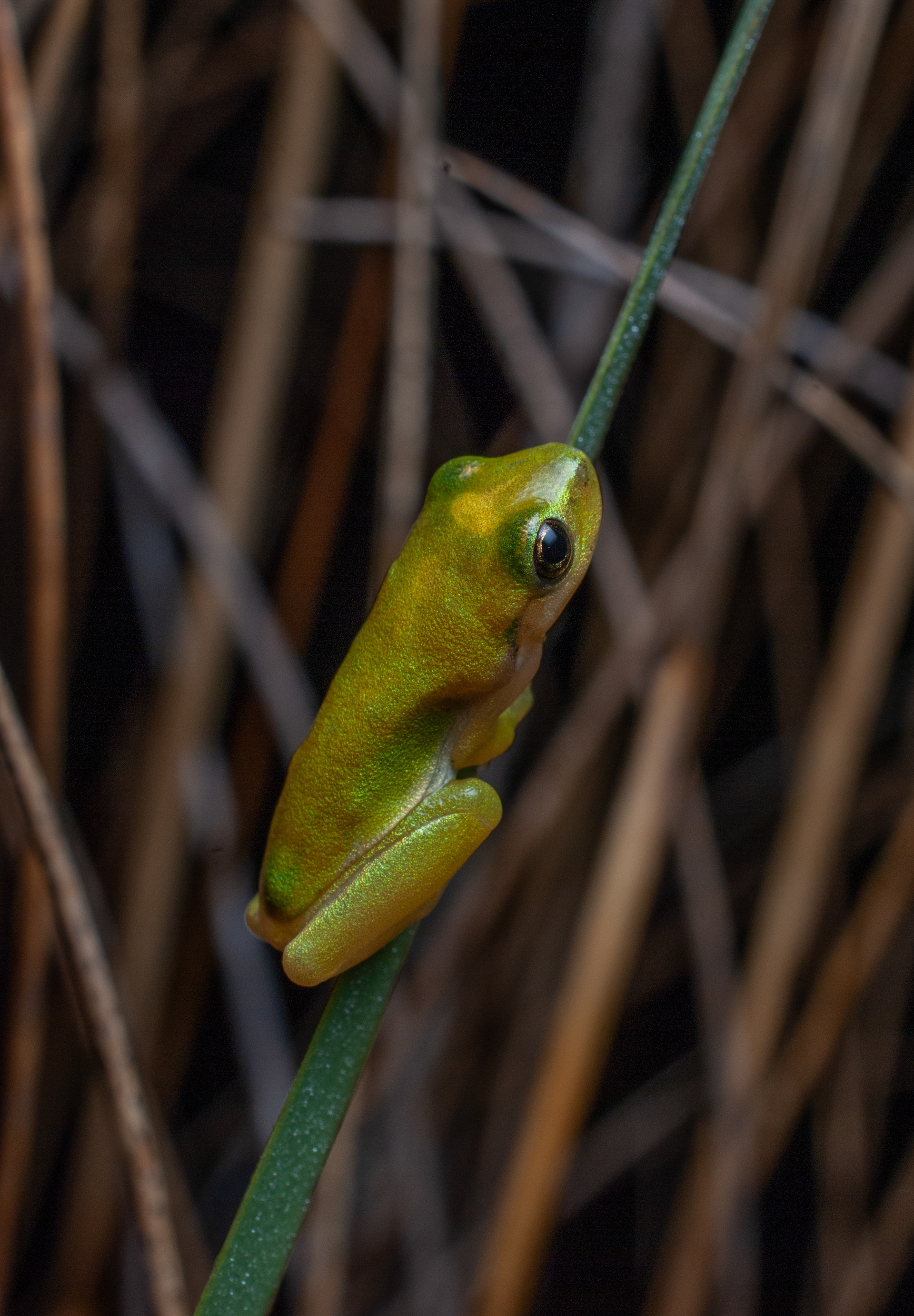
A young gray treefrog (Dryophytes sp.) perches on a leaf, protected by its green coloration.
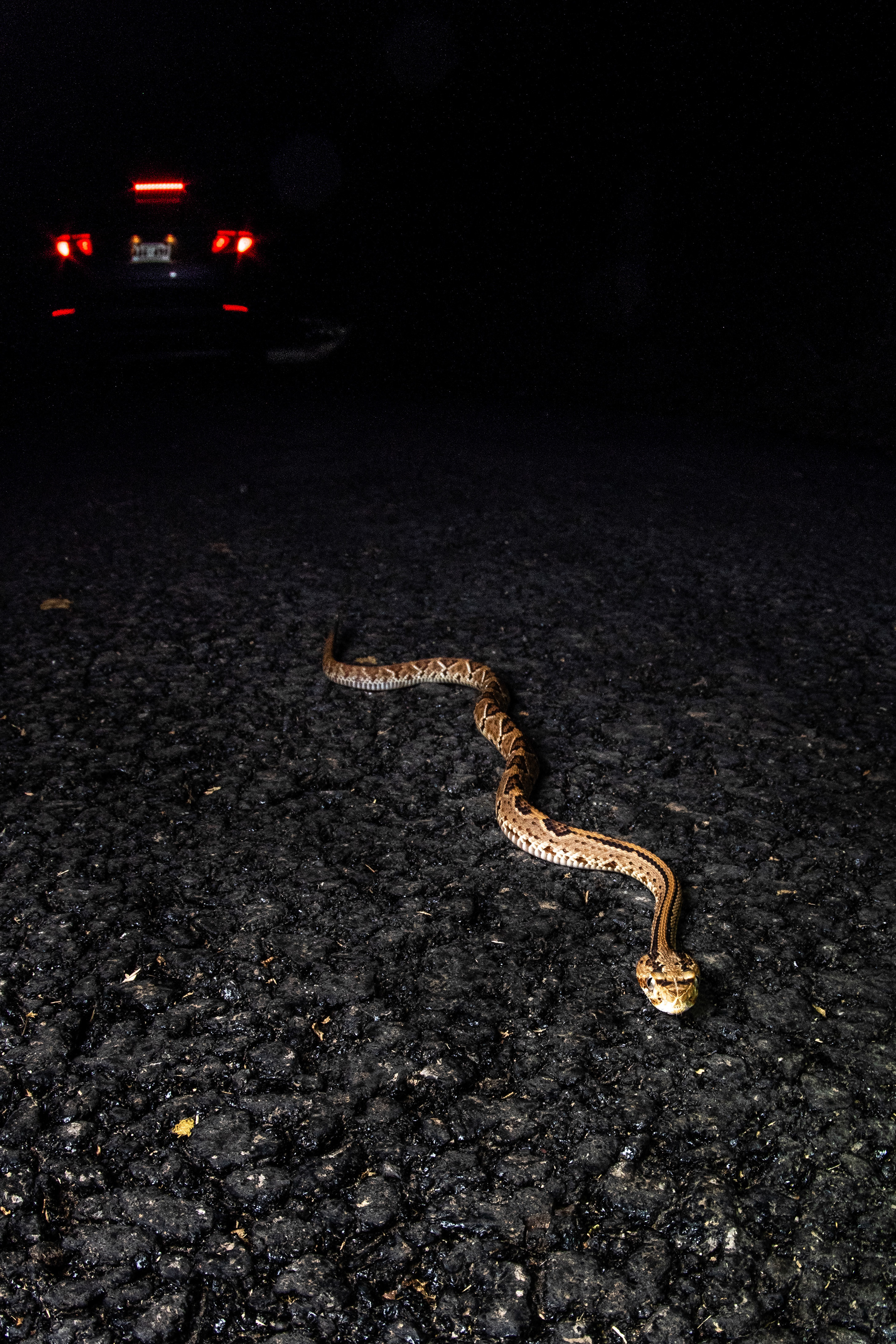
A middle American rattlesnake (Crotalus simus) crosses a rural Costa Rican road.
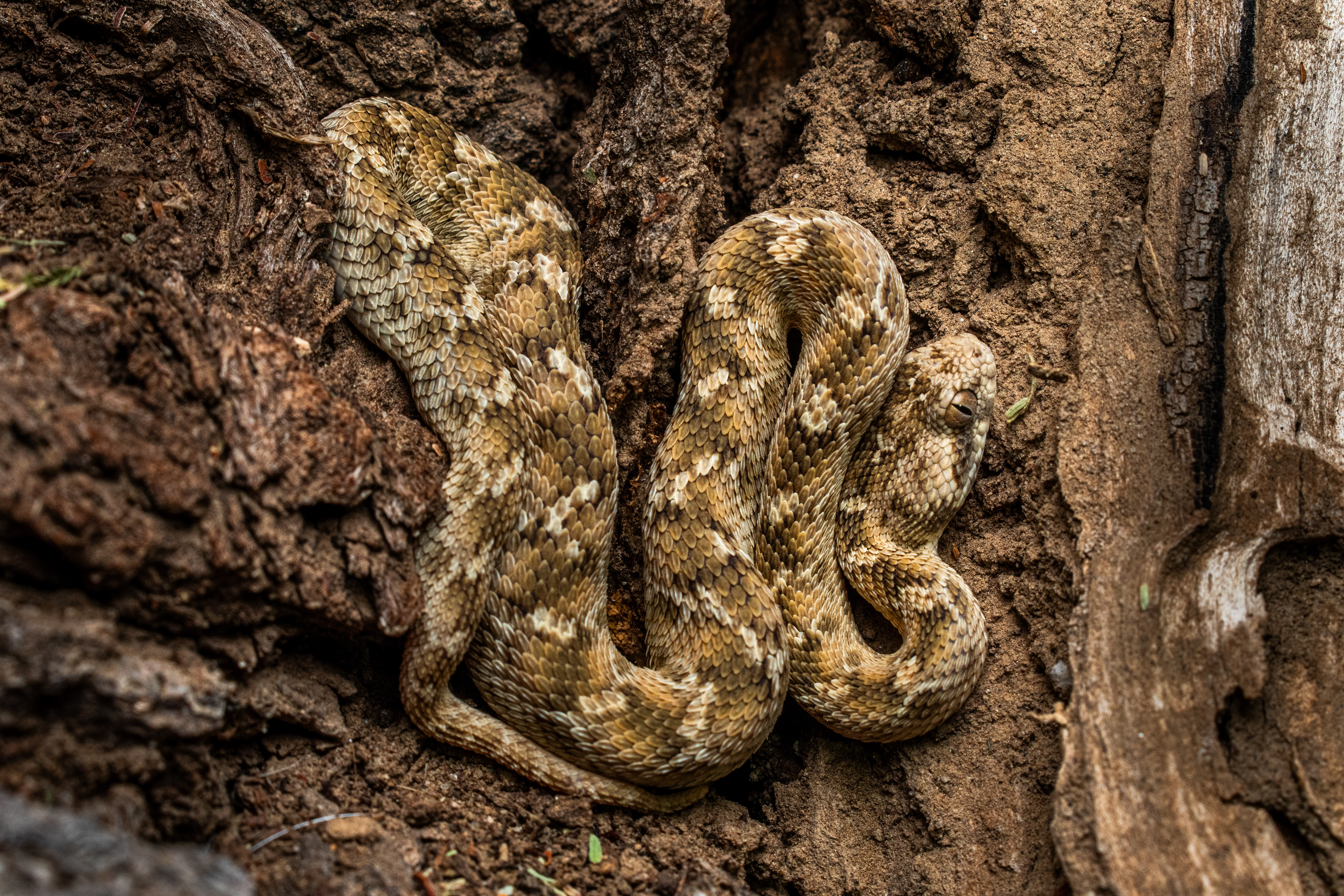
Egyptian saw-scaled viper (Echis pyramidum), northwest Kenya.
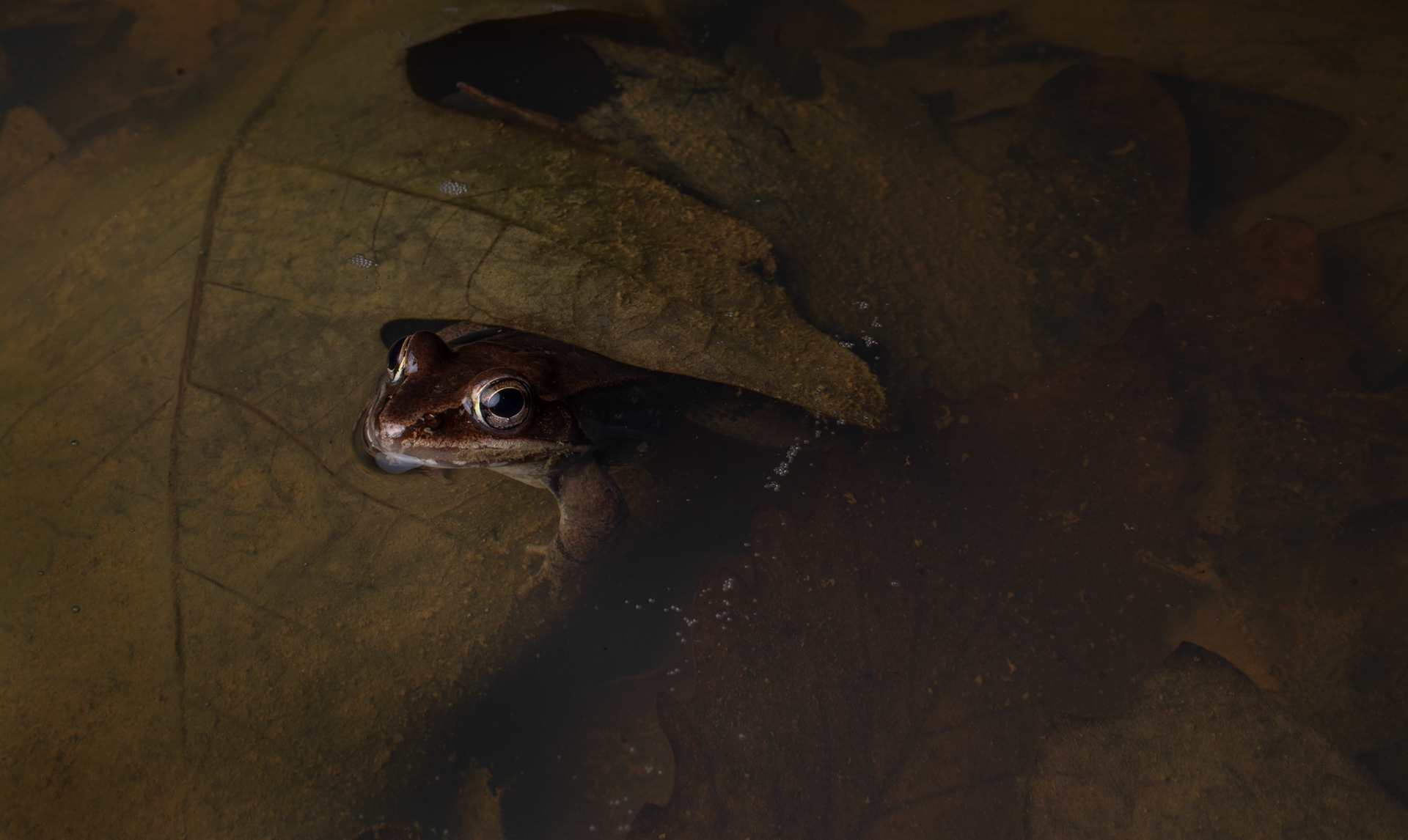
A wood frog (Lithobates sylvaticus) shelters under a leaf in its breeding pool.
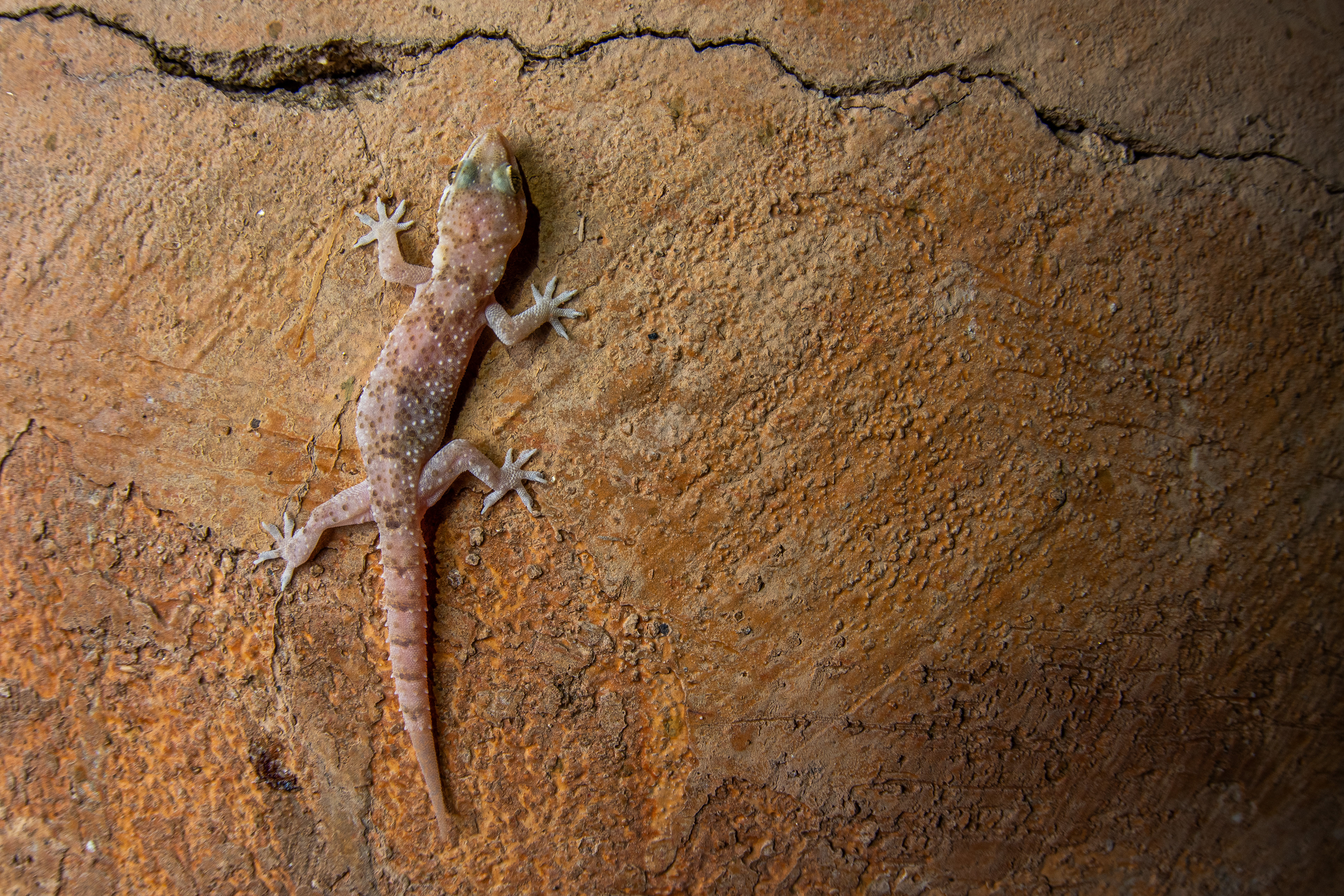
A house gecko scales a concrete foundation in northeast Kenya.
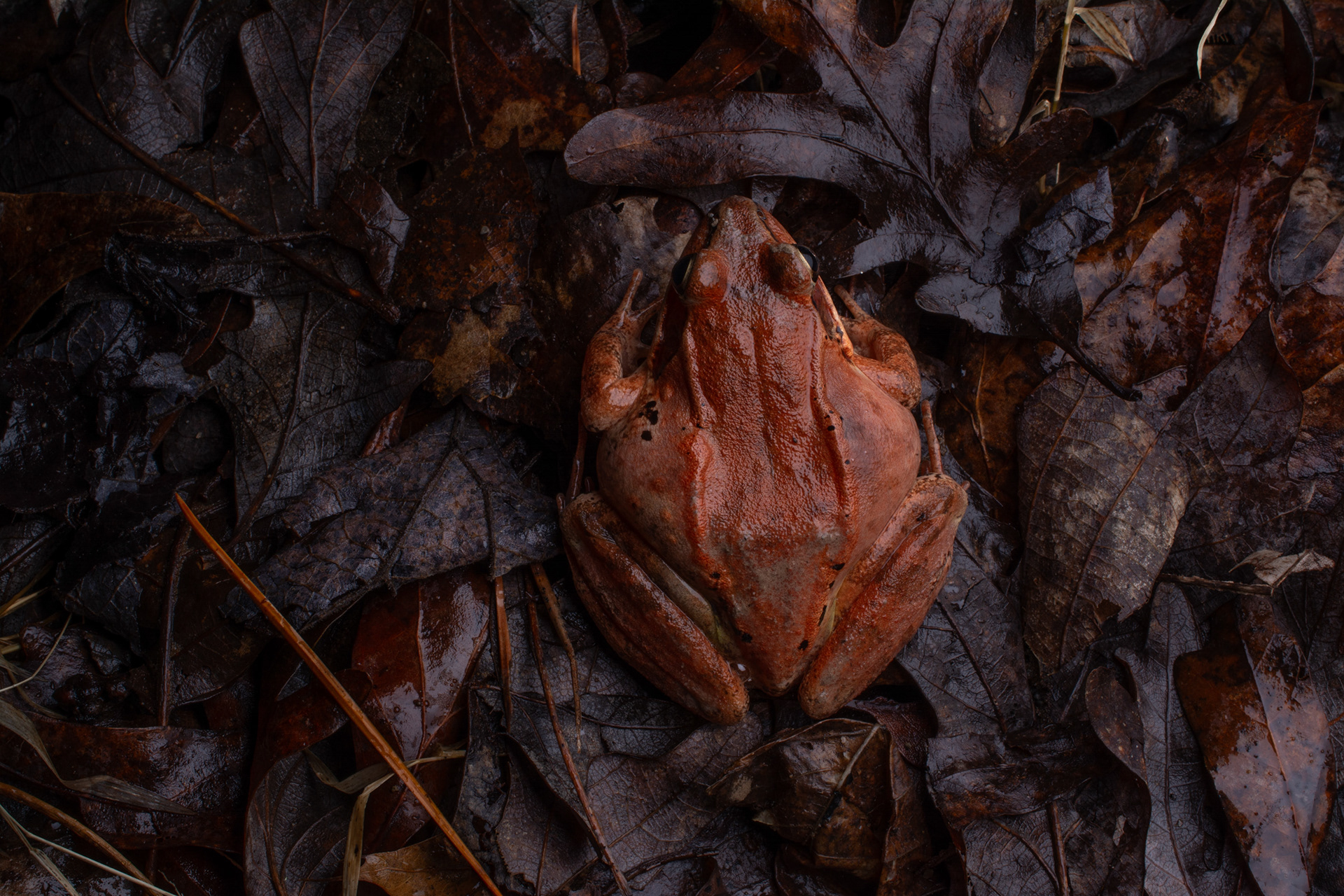
A wood frog (Lithobates sylvaticus) relies on its leaflike camoflauge to avoid detection.
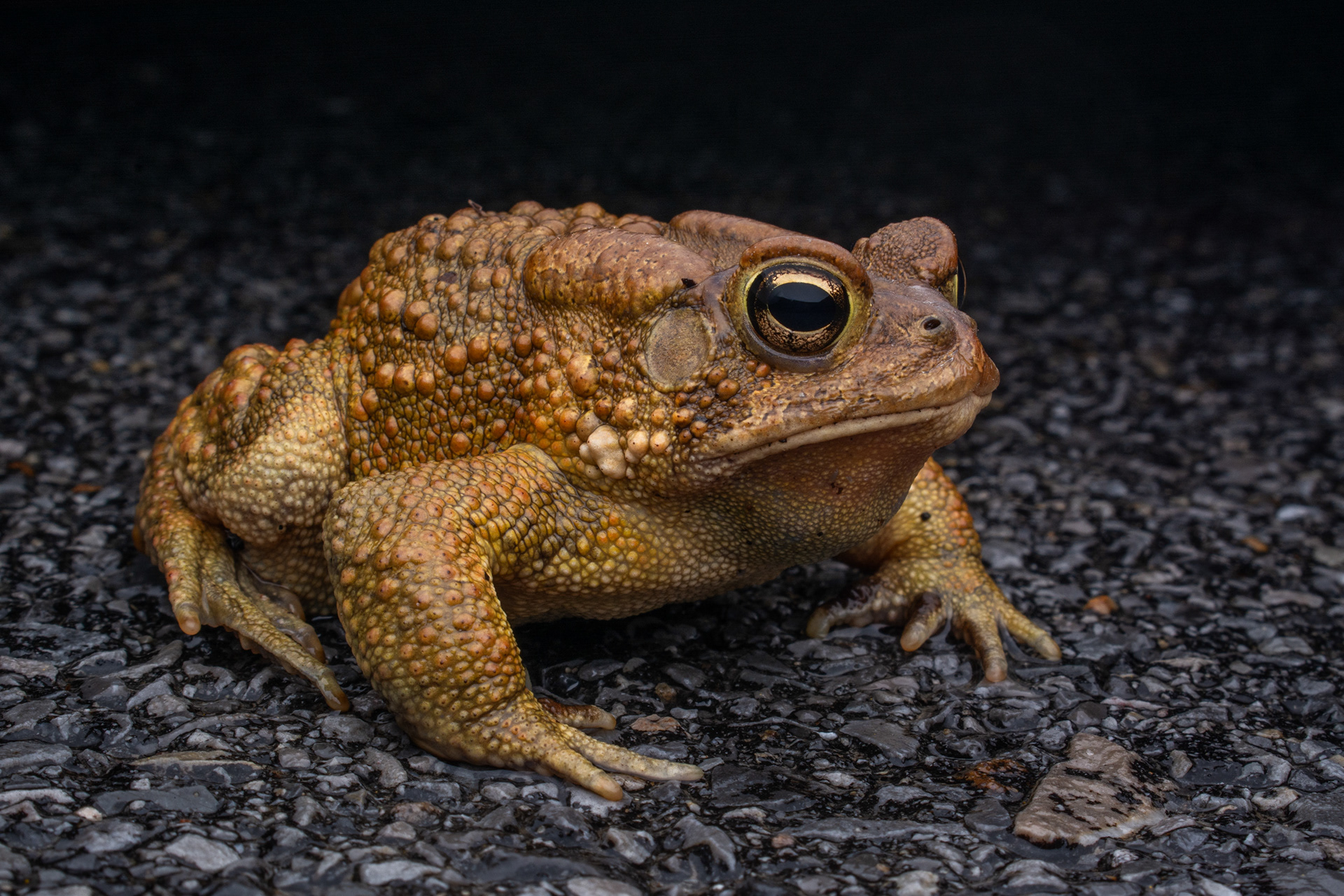
An American toad (Anaxyrus americanus) crosses a Virginia road.
Northern red salamanders (Pseudotriton ruber ruber) are abundant at my home, and often emerge after spring rains.
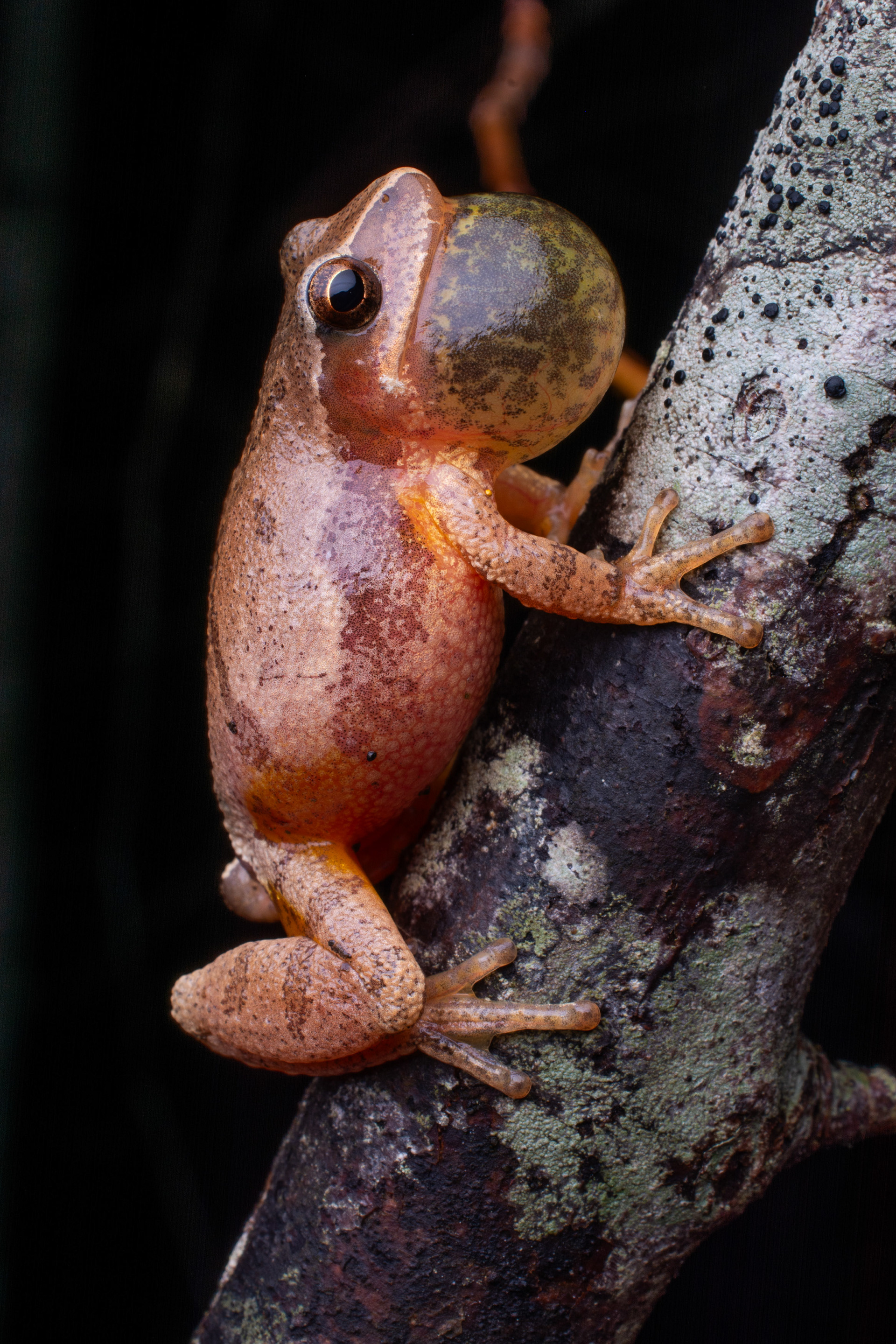
A spring peeper (Pseudacris crucifer) calls to attract a mate in a Virginia wetland.
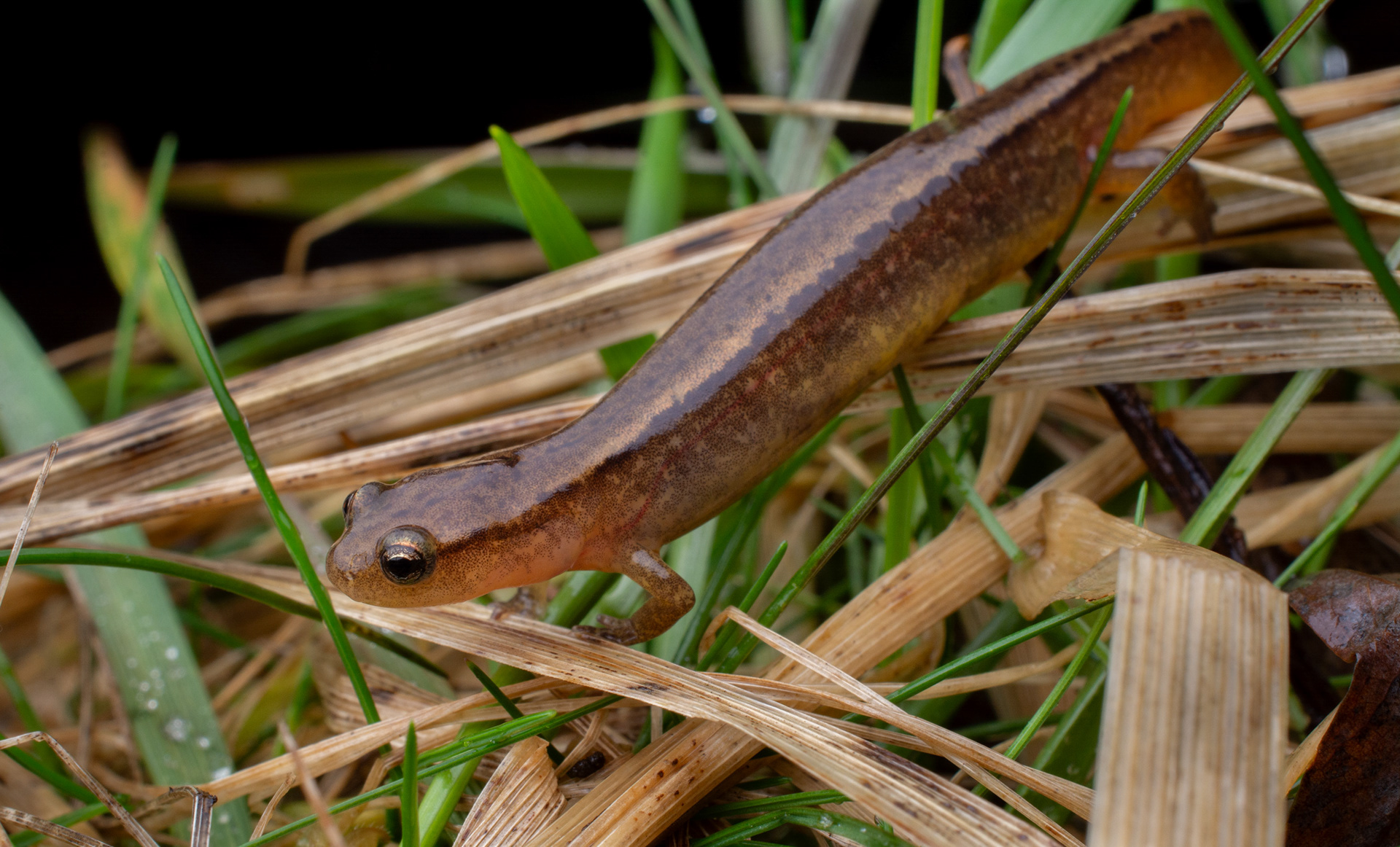
A southern two-lined salamander (Eurycea cirrigera) prowls streamside vegetation after a spring rain.
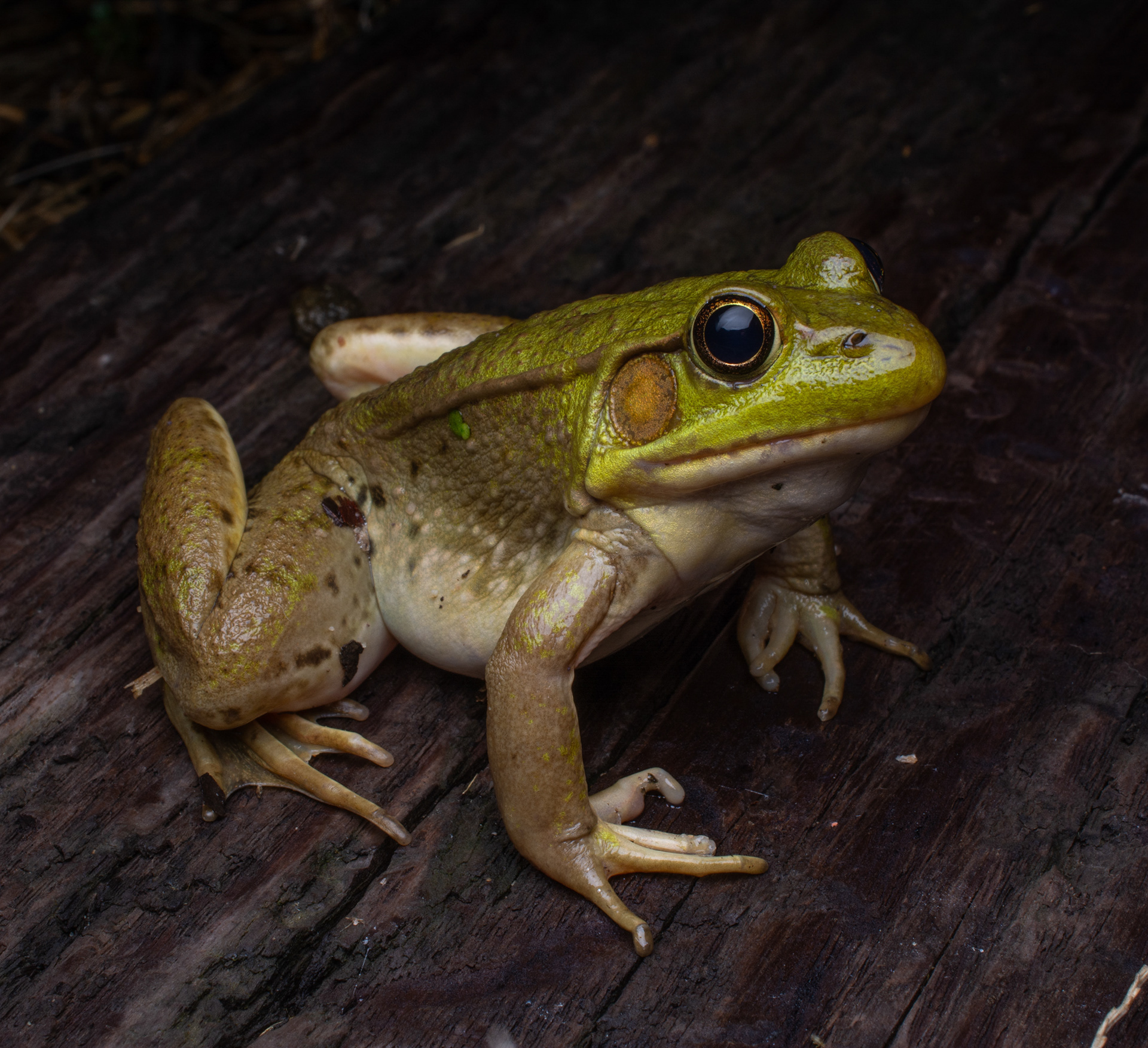
The green frog (Lithobates clamitans) is one of the most common amphibians in the eastern United States.
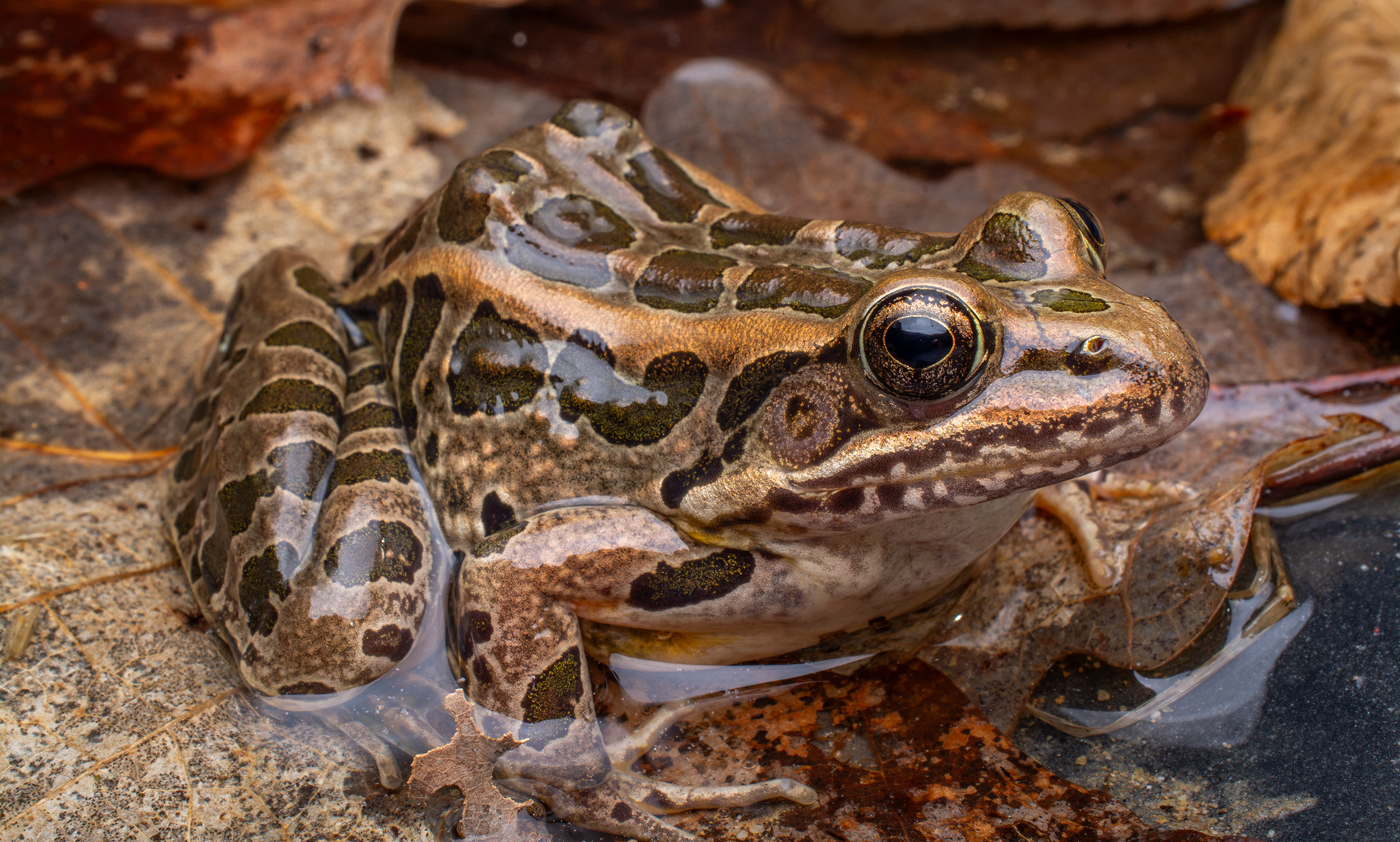
A remarkably large pickerel frog (Lithobates palustris), found in the margins of a man-made pond.
Northern red salamanders (Pseudotriton ruber ruber) are abundant at my home, and often emerge after spring rains.
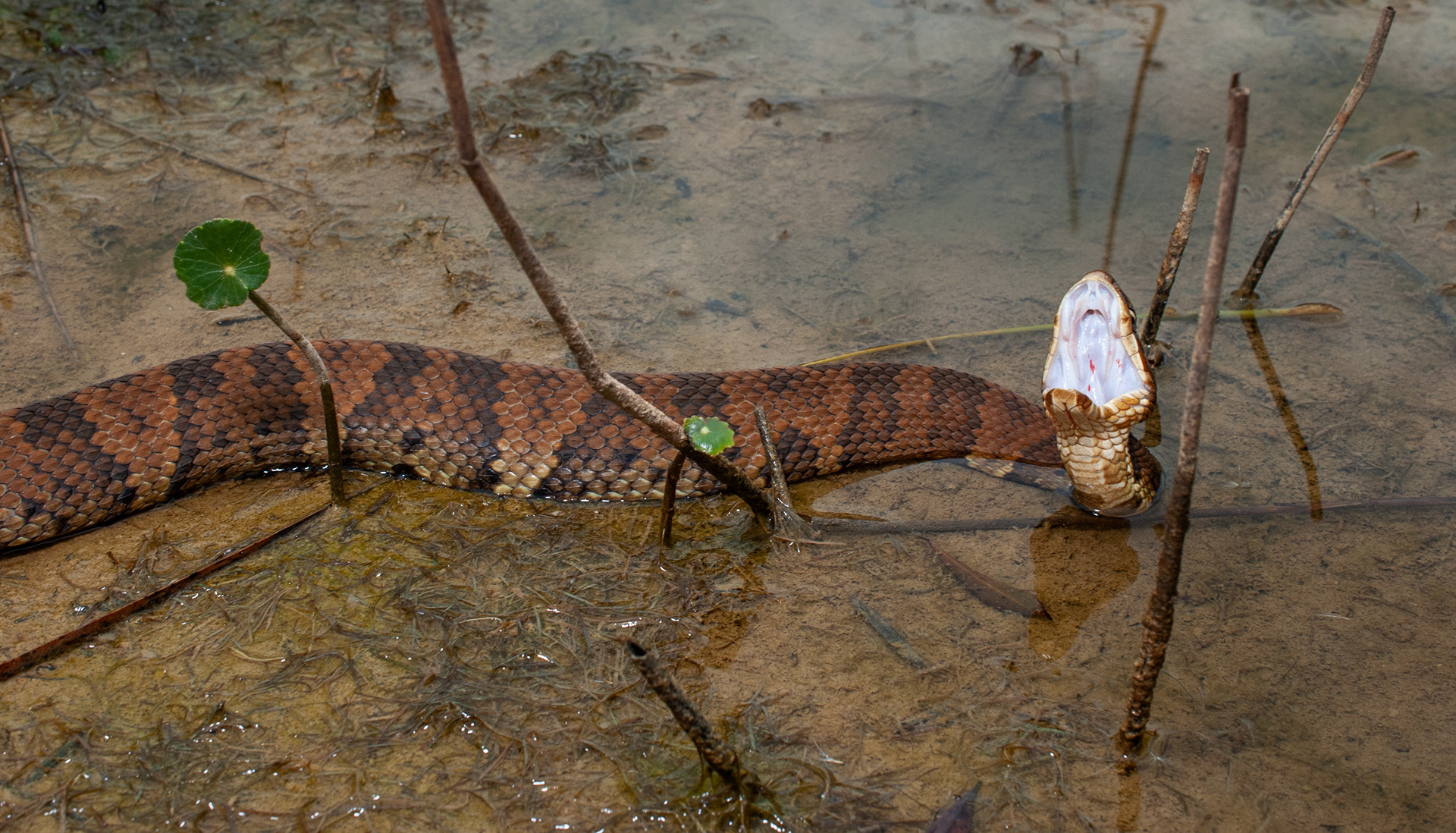
A northern cottonmouth (Agkistrodon piscivorous) demonstrates its namesake.
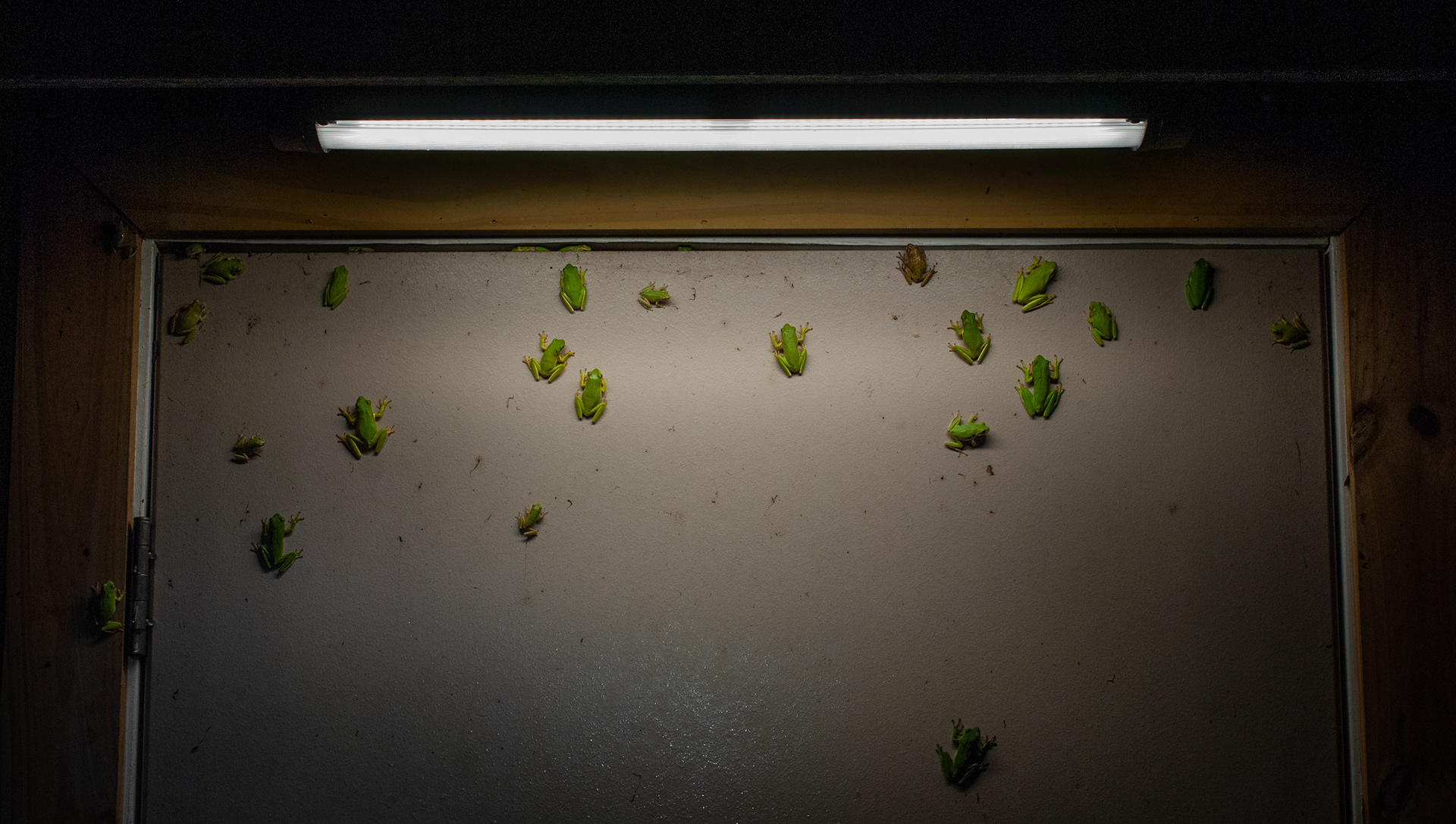
Squirrel and green treefrogs swarm a campground doorway fixture, seeking the insects drawn to the light.
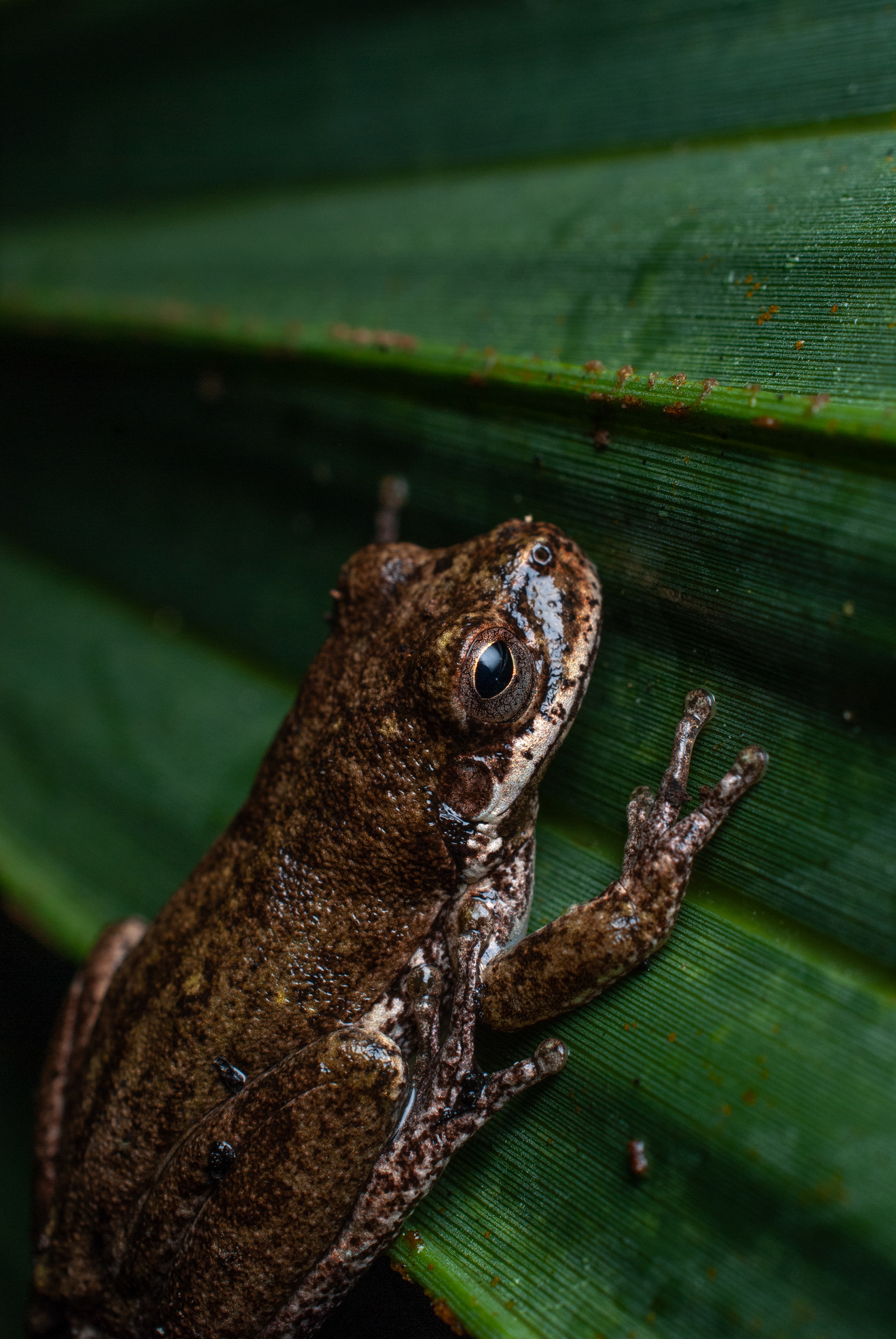
A squirrel treefrog shelters in a palmetto frond.
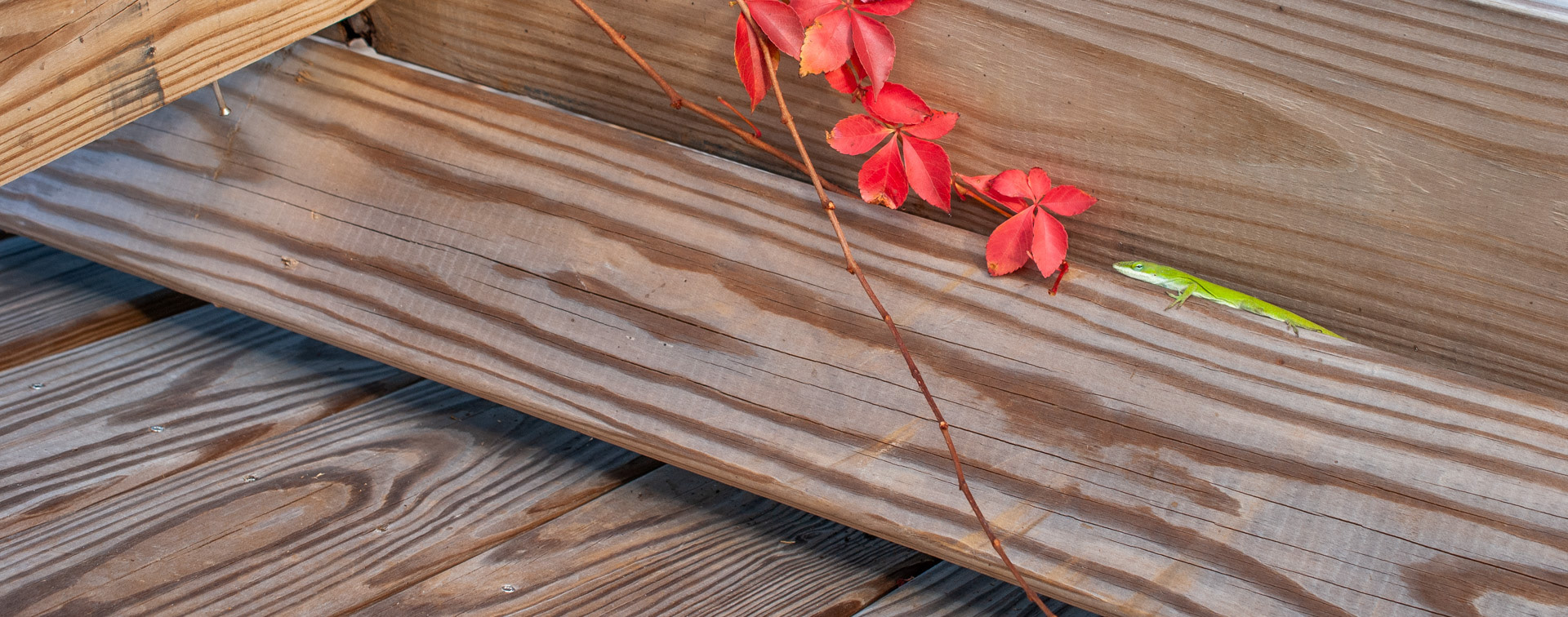
The green anole (Anolis carolinensis) quickly adapts to man-made structures, and is common in developed areas.
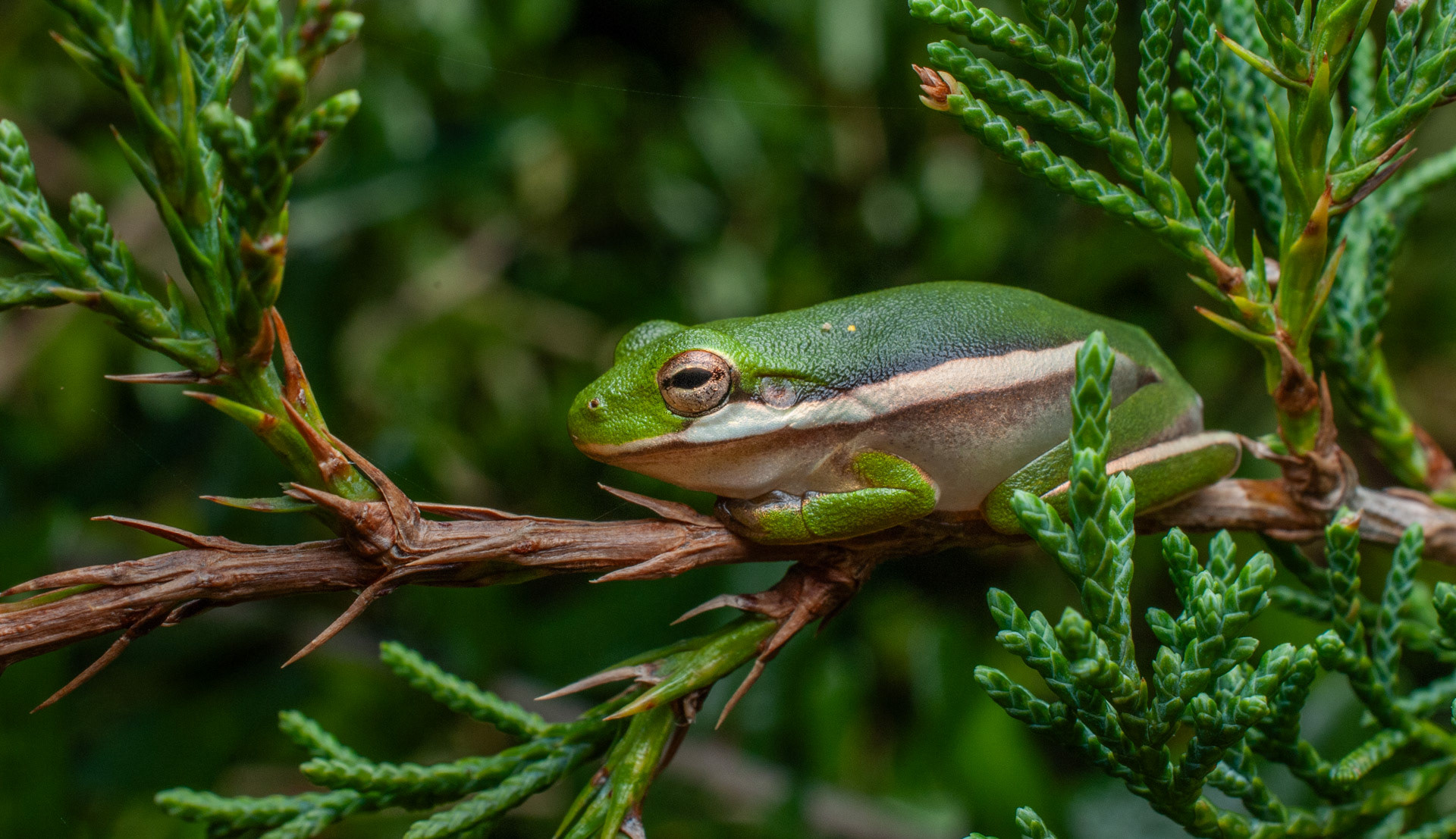
A green treefrog (Dryophytes cinereus) shelters for the day on a juniper branch.
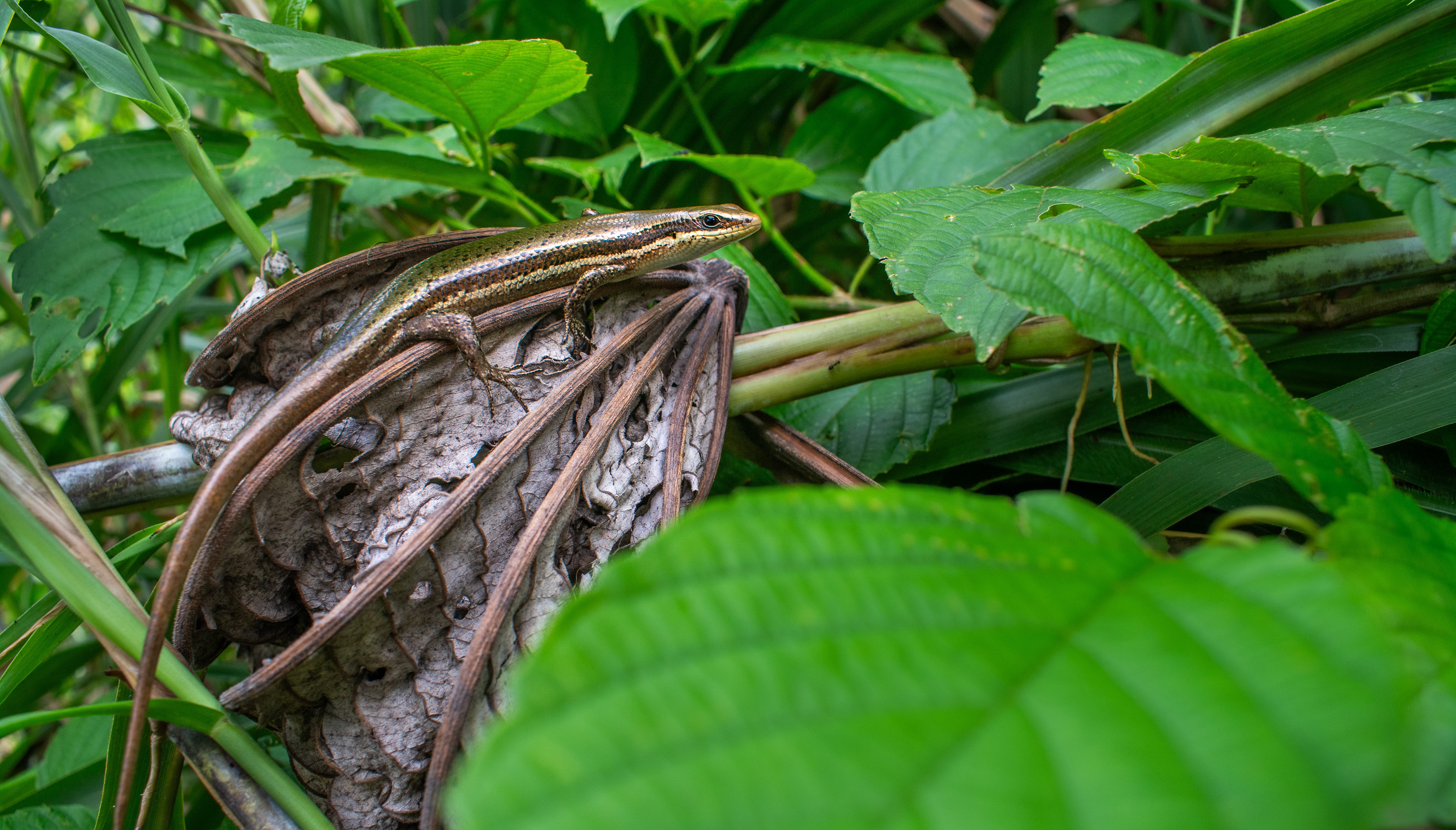
A Central American Mabuya basks on a dead leaf, making great use of its camouflage.
An aquatic anole (Anolis aquaticus), a neotropical lizard that acts much like stream-dwelling salamanders do in North America.
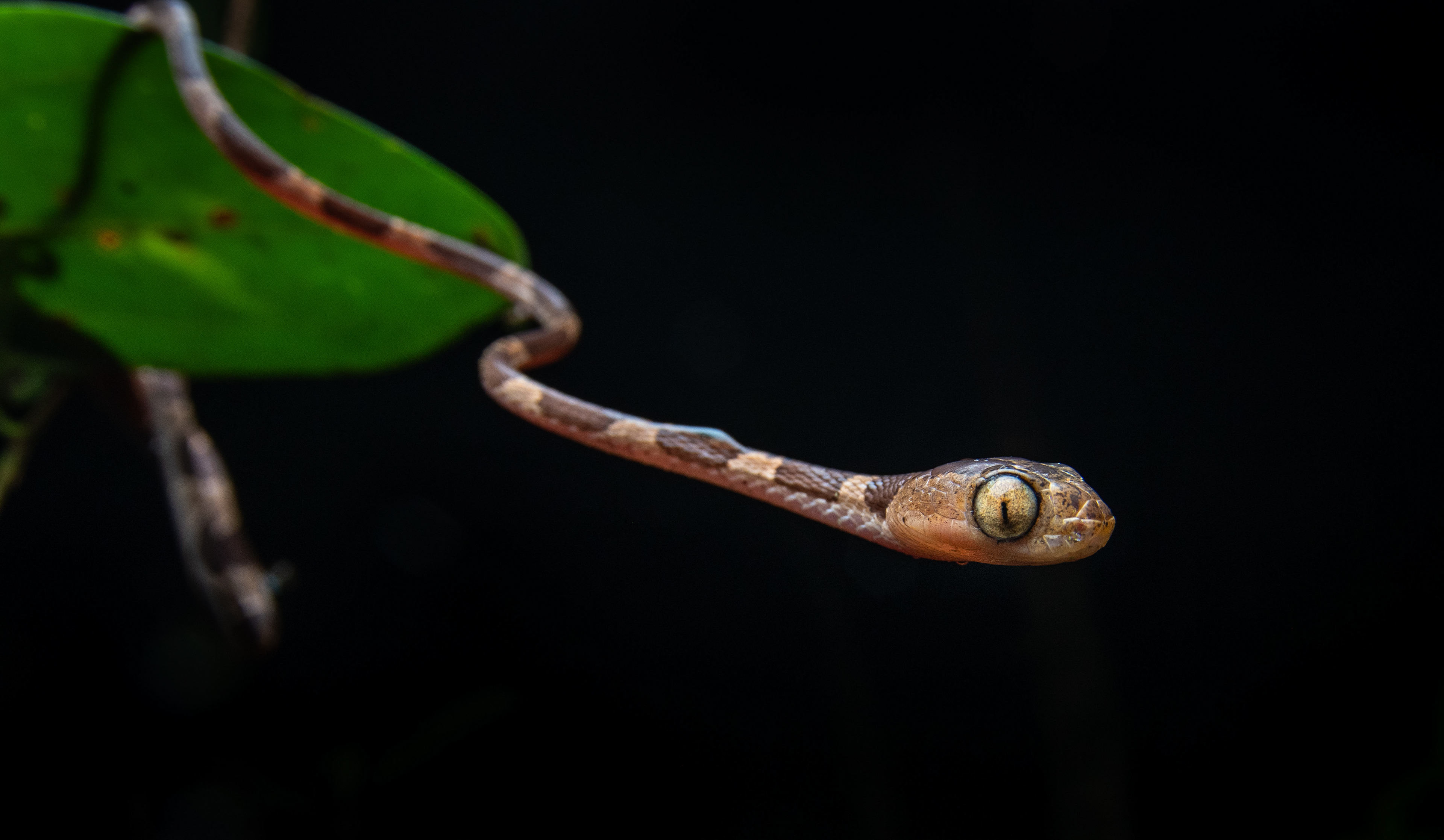
The common blunt-headed tree snake (Imantodes cenchoa) is an emblematic neotropical species, found across numerous wet forest habitats in Central and South America.
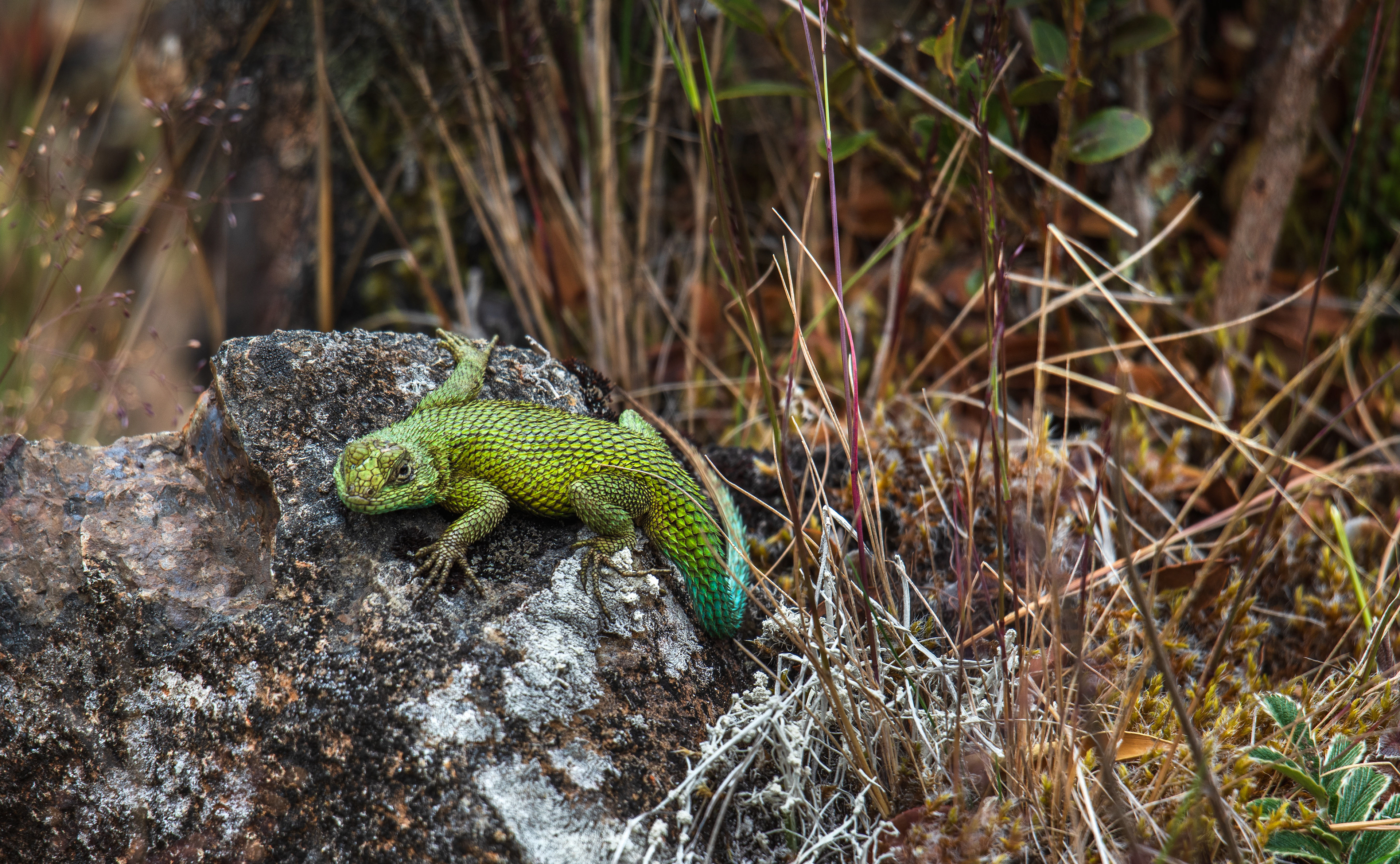
An emerald swift (Sceloporus malachiticus) basks at 11,000ft in Costa Rica's highlands.